4 Aug 2026
The Hidden Threads: Weaving User Method Preferences Into Evolving Data Protection Strategies in Portable Transaction Systems
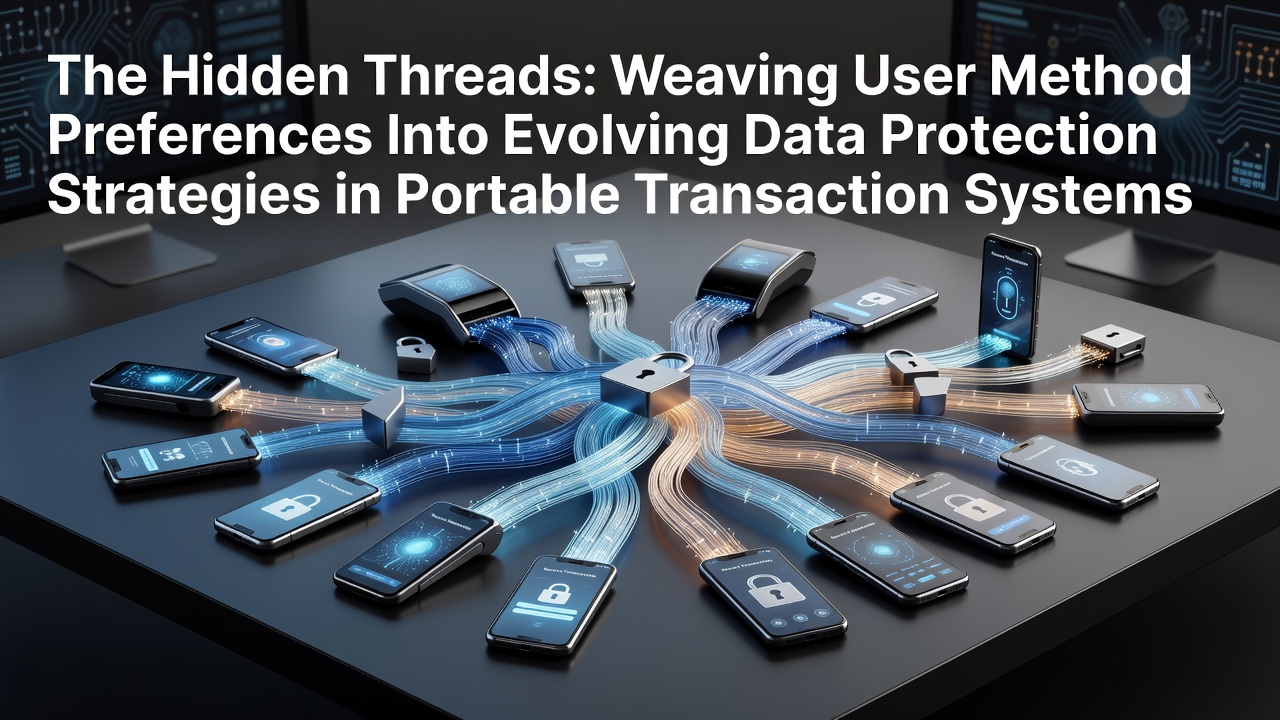
Portable transaction systems capture user selections among payment methods such as bank transfers, digital wallets, and stored-value options, and these selections generate preference data that shapes subsequent data protection measures. Observers note that method choices often determine the volume and type of personal information processed during each exchange, which in turn influences encryption parameters, access controls, and retention schedules applied by system operators.
Preference Logging and Its Role in Adaptive Protections
System logs record the frequency with which individuals select one method over another, and analysts at research institutions have examined how these logs inform dynamic adjustments to privacy controls. When users consistently favor contactless bank transfers, platforms tend to strengthen tokenization routines that limit exposure of account identifiers, whereas repeated selection of digital wallet balances may trigger enhanced multi-factor verification tied to device biometrics. In August 2026, several operators reported updates to these adjustment protocols following internal reviews of aggregated preference datasets collected over the preceding twelve months.
Researchers at academic centers studying financial technology have documented correlations between method preferences and the granularity of consent mechanisms presented to users. Those who repeatedly choose stored-value options encounter consent flows that request narrower data-sharing permissions compared with users who select external card networks, because the former route keeps transaction details within a more contained environment.
Regulatory Frameworks Guiding Integration
Standards issued by bodies such as the European Data Protection Board require that processing activities remain proportionate to the risks associated with each payment method. European Data Protection Board guidance outlines expectations for data controllers to calibrate safeguards according to the sensitivity of information collected through different channels. Canadian regulators have issued parallel directives that emphasize the need to align protection intensity with user-selected transfer paths, creating a cross-border reference point for platform developers.
Technical Implementation Across Platforms
Engineers embed preference signals into backend decision trees that govern key rotation schedules and anonymization thresholds. When preference data indicates heavy reliance on near-field communication methods, the trees prioritize shorter key lifecycles to reduce the window during which interception could link a device identifier to transaction details. In contrast, methods that route through cloud-based authorization services receive additional layers of pseudonymization applied to metadata before storage.
One study published by a consortium of universities tracked implementation patterns across multiple mobile finance platforms and found that preference-driven adjustments reduced the average retention period for non-essential transaction attributes by measurable margins. The findings revealed that platforms applying these adjustments also recorded lower rates of data subject access requests related to method-specific information.
Cross-Regional Variations in Practice
Operators serving markets in Australia have incorporated preference analytics into compliance reporting submitted to the Office of the Australian Information Commissioner, demonstrating how method selection statistics support claims of accountability under local privacy legislation. Similar reporting practices appear in submissions to the US Federal Trade Commission, where aggregated preference trends help illustrate adherence to consumer protection expectations around data minimization. Federal Trade Commission consumer protection resources reference the value of such analytics in evaluating whether safeguards scale appropriately with user behavior.
Those who have examined production environments report that preference integration rarely occurs in isolation. Instead, it intersects with broader system updates that also address authentication sequence refinements and anomaly detection thresholds, creating layered architectures in which each component reinforces the others.
Conclusion
Portable transaction systems continue to refine data protection strategies by treating user method preferences as structured inputs rather than ancillary details. Regulatory expectations in multiple jurisdictions now anticipate that these inputs will guide proportionate technical measures, and platform operators have responded by embedding preference signals into encryption, retention, and consent workflows. Evidence from regulatory filings and academic analyses indicates that this integration supports both compliance objectives and operational efficiency across diverse geographic markets.