28 Jul 2026
Support Exchanges Refining Authentication Pathways in Modern Payment Ecosystems
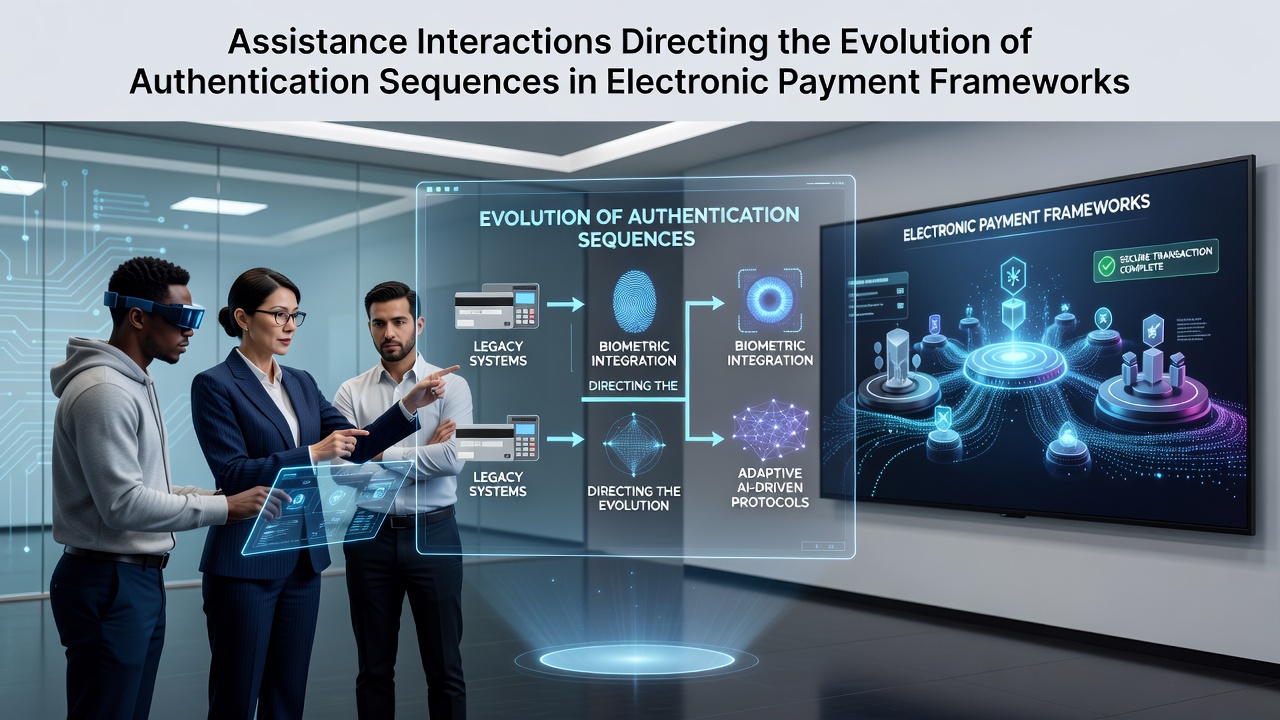
Customer assistance exchanges have long provided the raw material that payment platforms use when adjusting authentication sequences, and observers note how these interactions feed directly into protocol updates across electronic frameworks. Data from transaction monitoring systems shows that repeated user queries about login failures often prompt developers to introduce layered verification steps, such as device fingerprinting combined with behavioral analysis, while industry reports indicate that support teams log patterns in real time to identify friction points that slow down legitimate transactions.
Historical Patterns in Support-Driven Adjustments
Payment frameworks began incorporating feedback from assistance channels during the early rollout of mobile wallets, and researchers have documented how initial two-factor methods evolved after support centers recorded high volumes of failed SMS deliveries in regions with spotty network coverage. Those who analyzed archived tickets discovered that users frequently encountered delays when entering one-time codes, which led engineering teams to shift toward app-based authenticators and push notifications that reduced average resolution times by measurable margins according to internal platform metrics.
By the mid-2010s, European payment providers started correlating assistance data with authentication failure rates, and evidence from regulatory filings reveals that this approach influenced the adoption of biometric options like fingerprint and facial recognition to replace older token-based systems in many cases.
Mechanisms Linking Assistance Data to Protocol Changes
Support interactions generate detailed logs that include user descriptions of access issues, device types, and timing of authentication attempts, and analysts at payment firms process these records through machine learning models to detect recurring failure modes. When clusters of similar complaints emerge around certain geographic locations or operating systems, teams prioritize modifications such as adaptive challenge questions or seamless fallback methods that maintain security without interrupting the flow of transactions.

Figures from operational reviews indicate that platforms using assistance-derived insights achieve faster iteration cycles on security features, and one documented case involved a North American provider that adjusted its multi-factor requirements after support staff flagged unusual patterns in account recovery requests during holiday shopping periods. The changes incorporated contextual signals from user location and transaction history, which reduced support volume while preserving compliance with data protection standards.
Developments Observed Through Mid-2026
Reports compiled in July 2026 highlight continued refinement of authentication sequences based on assistance interactions, particularly as payment frameworks expanded support for cross-border transfers and real-time settlements. According to analyses shared by the Bank for International Settlements, providers in Asia-Pacific markets integrated voice biometrics into existing sequences after support logs showed elevated error rates among users with limited literacy in text-based interfaces.
Canadian regulators have also examined how assistance data shapes updates, and studies from academic institutions such as the University of Toronto's financial technology research group demonstrate that structured review of support exchanges correlates with improved resilience against account takeover attempts. These findings suggest platforms that systematically route assistance insights into authentication design achieve more balanced outcomes between security and accessibility.
Regional Variations and Implementation Examples
Frameworks operating in Australia incorporated assistance feedback to refine risk-based authentication, allowing low-risk transactions to proceed with minimal checks while escalating others based on historical support patterns, and similar approaches appear in Latin American systems where mobile penetration varies widely. Observers have tracked how these adjustments draw from aggregated ticket data rather than isolated incidents, which helps maintain consistency across diverse user bases.
Industry organizations including the Payments Canada network have published summaries showing that assistance interactions contribute to iterative testing of new authentication layers, such as behavioral analytics that learn from repeated user sessions flagged during support calls.
Conclusion
Assistance interactions continue to supply actionable signals that payment frameworks translate into authentication refinements, and the process relies on systematic collection and analysis of user-reported issues across multiple channels. Evidence from operational records and regulatory reviews confirms that these exchanges drive targeted updates to verification sequences without requiring complete overhauls of existing infrastructure. As electronic payment systems expand their reach through 2026 and beyond, the role of support-derived data remains central to balancing security requirements with practical user needs in varied operational environments.