12 Jul 2026
Supply Chain Efficiency Gains From Integrated Payment Applications Across Global Markets
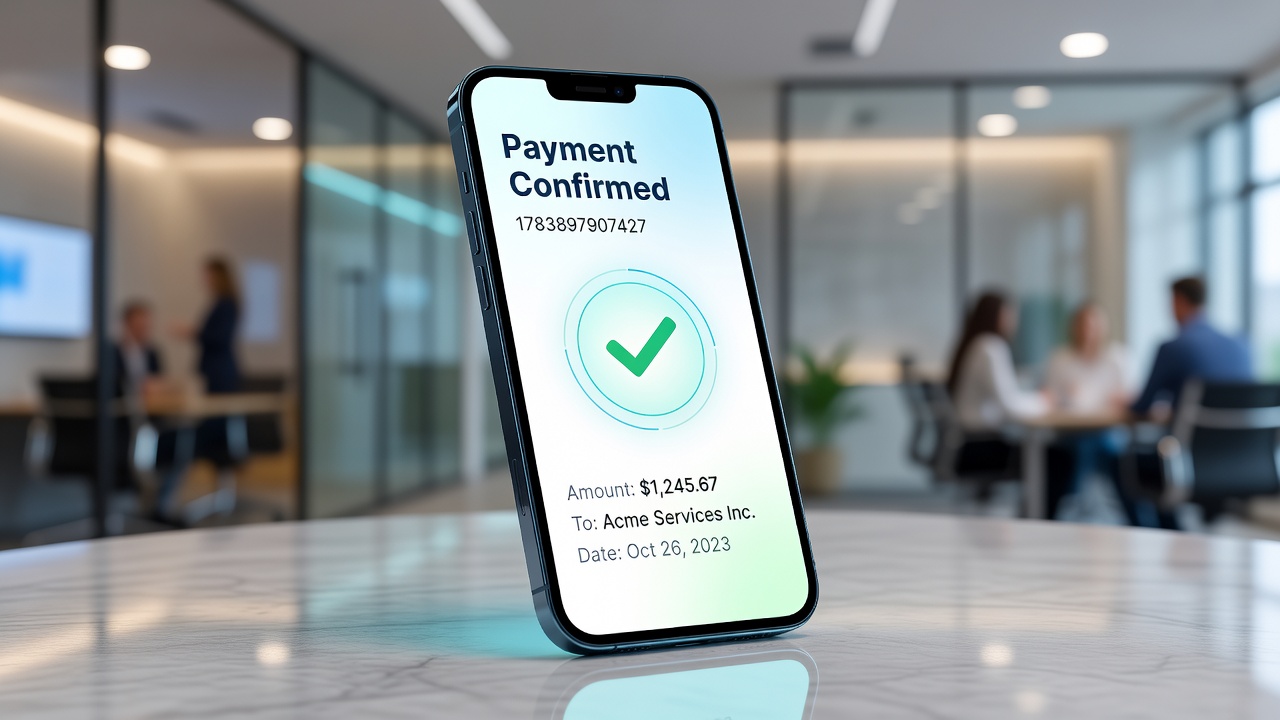
Payment applications have become central to modern supply chain operations where businesses coordinate vendor payments across multiple regions and currencies, and data from industry reports shows that these tools handle billions in transactions daily while reducing processing times from days to minutes. Researchers at various institutions have documented how mobile platforms connect suppliers directly with buyers through automated reconciliation features that flag discrepancies in real time, allowing adjustments before funds transfer.
According to figures from the Federal Reserve, adoption of such systems among small and medium enterprises rose steadily through 2025, with projections indicating continued growth into July 2026 as more firms integrate APIs for inventory-linked payments. This setup lets companies trigger disbursements automatically once goods reach confirmed delivery points, cutting manual oversight and associated errors.
Core Mechanisms Behind Vendor Settlement Processes
These applications rely on encrypted ledgers that record each step from purchase order to final payout, incorporating multi-factor authentication at key approval stages. Observers note that when a supplier uploads shipping confirmation, the system cross-checks it against buyer records and releases partial or full payments based on pre-set rules. Studies from academic sources highlight cases in manufacturing sectors where such automation shortened average settlement cycles by 40 percent compared to traditional bank transfers.
What's notable is the way these platforms handle currency conversion on the fly using live market rates, which minimizes exposure to fluctuations during international transfers. Trade groups have reported that exporters in Asia and Latin America particularly benefit because they receive funds in local currencies without separate forex fees eating into margins.
Adoption Patterns in Different Regions
European markets show high penetration rates among automotive parts suppliers who use the apps to manage just-in-time deliveries, while North American retailers lean on them for seasonal vendor networks. The European Central Bank published data indicating that cross-border B2B volumes processed via mobile payment solutions exceeded 1.2 trillion euros in the prior year, driven largely by standardized protocols that work across member states.
In July 2026, additional regulatory updates from bodies like the Bank of Canada are expected to further align reporting requirements, making it easier for firms to track compliance without extra software layers. This synchronization supports smoother operations for suppliers who deal with multiple jurisdictions simultaneously.
Security Features Supporting Large-Scale Operations
Encryption standards embedded in these systems protect transaction details from interception during transmission, and continuous monitoring algorithms detect unusual patterns that could signal fraud attempts. Industry analyses reveal that businesses employing these layered protections experienced fewer disputes over unauthorized charges, as audit trails provide clear timelines for every action taken within the platform.
Take one electronics distributor that implemented automated alerts for payment thresholds, which allowed teams to review high-value transfers before release rather than after the fact. Such configurations have become standard because they align with requirements from oversight agencies without slowing down legitimate commerce.
Integration With Inventory and Logistics Systems
Many payment applications now connect directly to warehouse management software, enabling payments to sync with stock level changes and delivery confirmations. This linkage means funds move only when physical goods match documented quantities, reducing mismatches that previously required lengthy reconciliation calls. Research indicates that logistics partners gain visibility into cash positions earlier, which helps them plan routes and staffing with greater accuracy.
Yet the real advantage appears when multiple parties in a chain use the same platform, creating a shared view of obligations that prevents bottlenecks at any single point. Data from university-led supply chain studies shows measurable improvements in overall cycle times when this level of connectivity is achieved.
Conclusion
Payment applications continue to reshape how global supply networks manage cash movement by combining speed, transparency, and verification in single interfaces. As adoption expands through 2026, the documented efficiencies point toward broader implementation across additional sectors that rely on timely vendor settlements.