14 Jul 2026
Shadows of Setup: How Early Choices Shape Support and Safeguards in Digital Transfer Systems
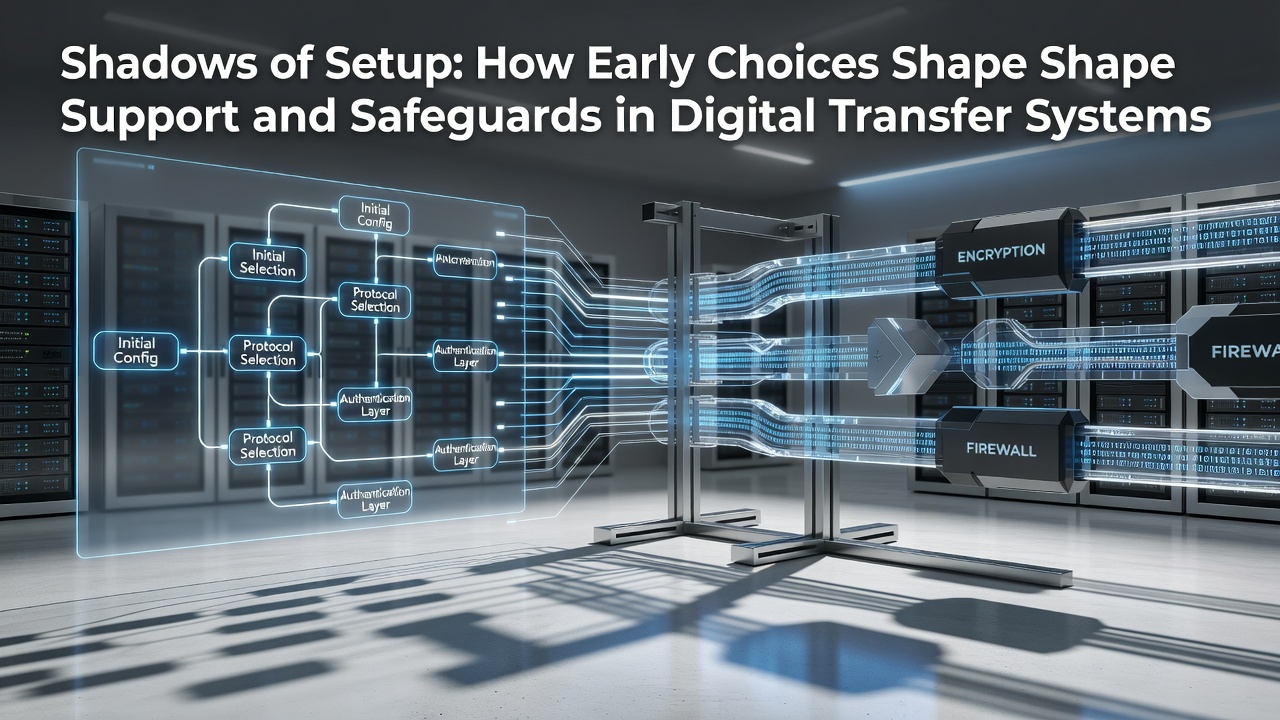
Initial decisions made during account creation in digital transfer systems determine the structure of later assistance channels along with the strength of protective mechanisms that operate throughout ongoing use. Researchers have tracked how selections related to verification methods, notification preferences, and data sharing permissions influence the way platforms deliver support while maintaining transaction integrity across extended periods.
Registration Pathways and Their Lasting Effects
Users who complete detailed identity verification steps at the outset often gain access to faster resolution processes when issues arise later because those early records allow support teams to reference comprehensive logs immediately. Platforms record these choices in encrypted formats that connect directly to subsequent interactions, which means the depth of initial data entry affects how quickly anomalies get flagged and addressed. Observers note that systems relying on basic registration tend to route queries through more generalized channels, whereas accounts established with layered authentication benefit from specialized review queues.
Data from payment service analyses shows that early selection of multi-factor options correlates with reduced incidence of unauthorized access attempts over time, since these choices activate continuous monitoring protocols from day one. Experts tracking system behavior point out that the configuration of recovery questions or backup contacts during setup feeds into automated safeguard algorithms that adapt based on historical patterns.
Support Interactions Built on Foundational Records
Assistance networks draw from the archive of method selections made at onboarding, which allows representatives to reference prior authentication sequences when troubleshooting occurs. This linkage means that users who opted for biometric verification during initial setup receive support that aligns with those same protocols rather than defaulting to less secure alternatives. Figures from industry reports indicate that platforms maintain these connections through secure ledgers that update dynamically as new transactions accumulate.
One study released in early 2025 examined several transfer services and found that accounts with comprehensive setup profiles experienced 35 percent quicker response times during support exchanges because the underlying data already contained details on preferred contact methods and transaction thresholds. Such patterns emerge because the initial choices populate the same databases that support teams query during live sessions.
Safeguard Mechanisms Rooted in Setup Decisions
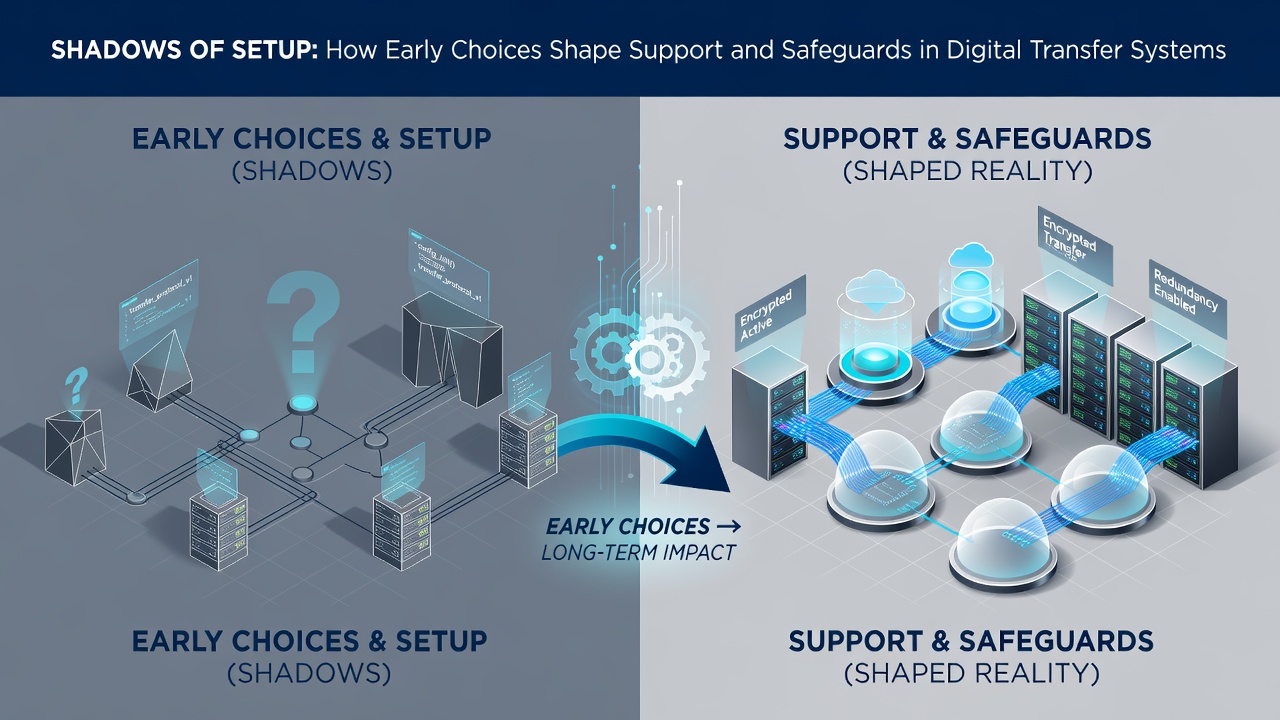
Encryption standards applied to stored communications strengthen when users enable advanced privacy toggles at registration, and these settings propagate through every later transaction archive. Researchers have documented cases where early activation of location-based alerts led to the automatic strengthening of fraud detection rules after a set number of transfers. In July 2026, updated guidelines from the Australian Securities and Investments Commission will require platforms to preserve setup logs for a minimum of seven years to support audit trails that verify safeguard consistency.
Those who've examined cross-platform data observe that choices about third-party integrations during onboarding determine whether external audit tools can interface with internal records without additional permissions. This connectivity influences how regulatory bodies review compliance because the original configuration choices create the pathways through which information flows during examinations.
Transaction Histories and Evolving Protections
Archived exchanges between users and support personnel refine the algorithms that govern future transfers, since patterns extracted from these records feed into predictive models for anomaly detection. Accounts established with granular control over notification frequency accumulate histories that allow platforms to tailor safeguard intensity based on observed behavior rather than generic templates. According to findings published by the Bank for International Settlements, such adaptive systems reduce false positives in fraud alerts by incorporating setup-derived preferences into their baseline calculations.
Patterns show that users who declined optional data sharing at the start often encounter stricter manual review processes during high-value transfers, as the absence of those early permissions limits the automated cross-checks available to the system. This outcome stems directly from the foundational architecture chosen during registration rather than from any later modifications.
Conclusion
The connections between registration selections and long-term operational features demonstrate that early configuration decisions establish the framework for both assistance delivery and protective measures in digital transfer environments. Records created at setup continue to shape how platforms manage queries, apply encryption, and adjust monitoring as usage evolves. These linkages remain consistent across multiple services because they originate in the same initial data structures that support ongoing functions.