2 Aug 2026
Registration Dynamics Shaping Transaction Protections in Mobile Finance Platforms
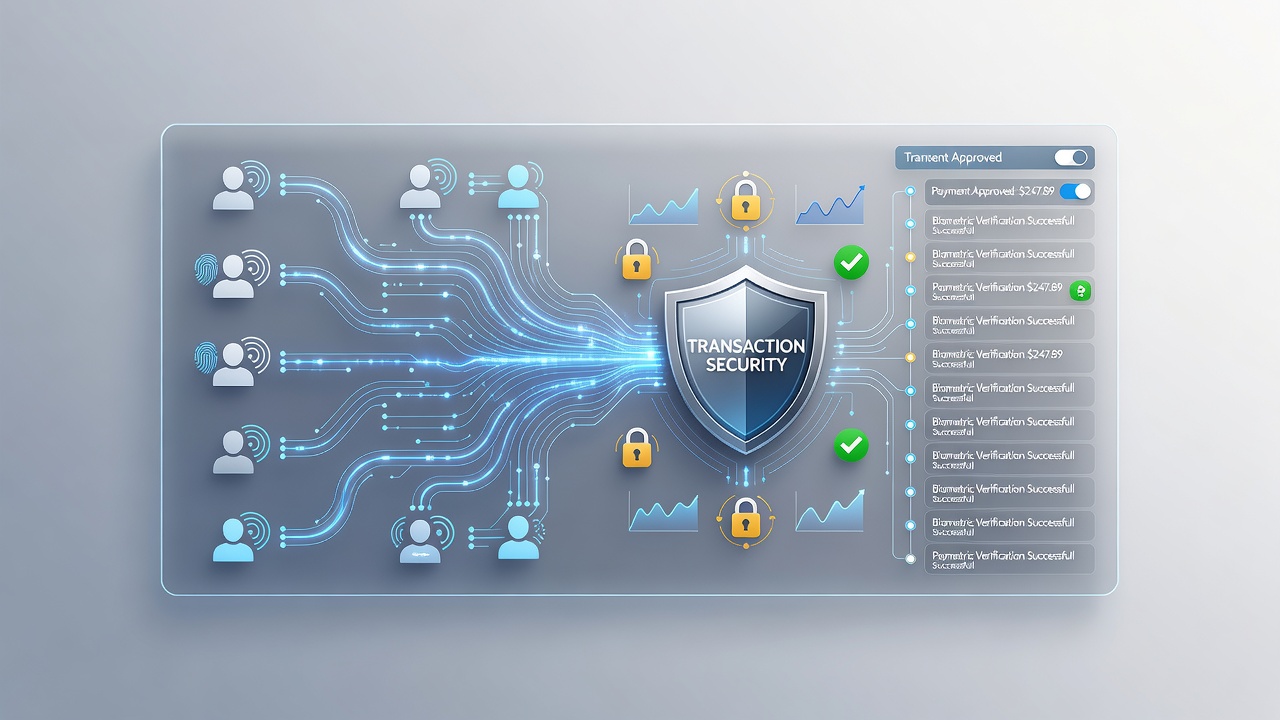
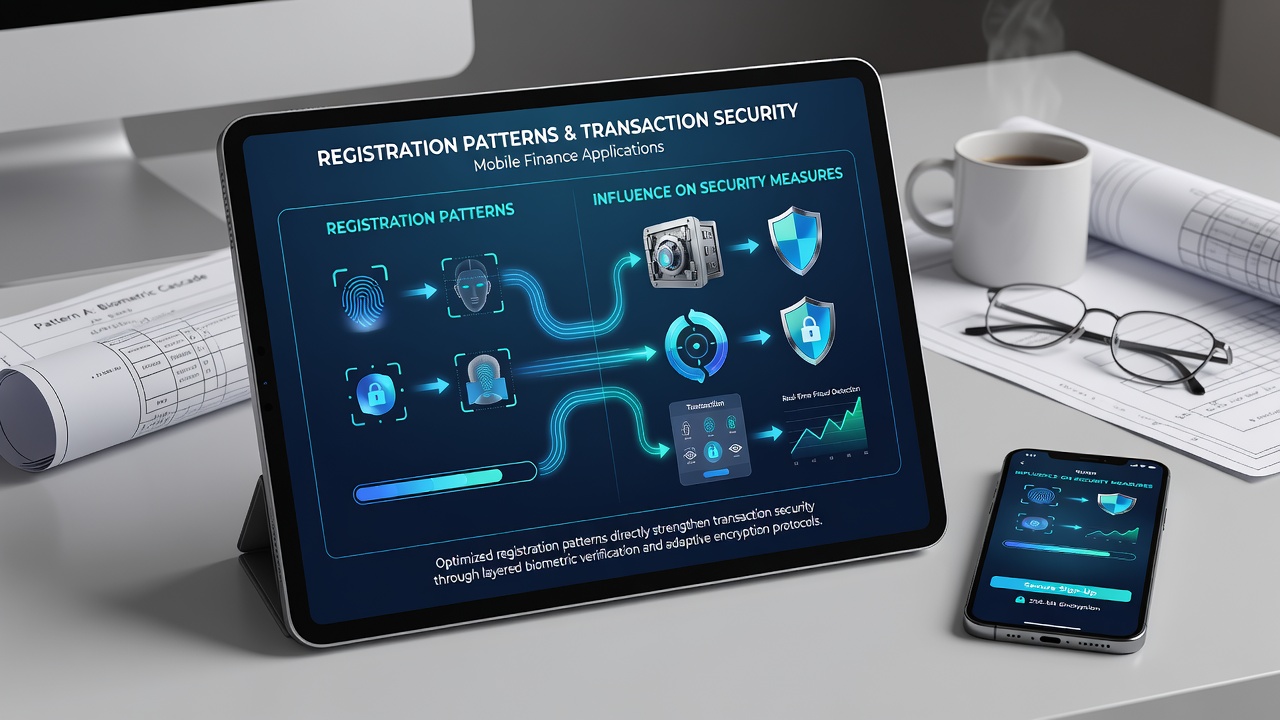
Registration in mobile finance applications begins with basic user details yet quickly expands into layered verification sequences that incorporate phone numbers, government identification, and biometric markers, all of which feed directly into later transaction monitoring systems. Observers note that these early choices determine how platforms flag unusual activity, because the depth of initial data collection sets the baseline for behavioral analytics that run continuously after onboarding concludes.
Common Registration Sequences Across Platforms
Users typically encounter one of several established patterns when they start an account, and each pattern carries distinct downstream effects on security architecture. Some applications require only an email address paired with a password before allowing limited transfers, whereas others insist on immediate identity verification through uploaded documents and facial scans that link the account to a verified individual from the outset. Researchers have tracked these variations across markets and found that platforms employing multi-stage verification during signup reduce subsequent fraud attempts by measurable margins compared with lighter approaches, since the richer dataset enables more precise anomaly detection once real transactions begin.
Data released in August 2026 from regulatory bodies in multiple regions showed that accounts created with full know-your-customer checks at registration experienced fewer unauthorized access events over the following twelve months. Those findings align with earlier work from academic teams that examined millions of user journeys and concluded that upfront identity binding correlates strongly with lower dispute rates in payment logs.
Linking Onboarding Choices to Ongoing Safeguards
Once registration completes, the collected information flows into authentication engines and risk-scoring models that evaluate every subsequent transfer. A phone number verified through one-time codes during signup, for instance, later serves as a channel for push notifications that confirm high-value moves, while biometric templates captured at onboarding allow frictionless yet secure logins that replace weaker passwords. Experts tracking these connections emphasize that platforms gain the ability to build accurate user profiles only when registration supplies sufficient anchor points, because sparse data leaves gaps that sophisticated attackers can exploit through account takeover attempts.
Take one financial technology provider that shifted from optional to mandatory address verification during signup in 2025. Internal metrics shared with industry groups revealed that the change allowed the company to correlate device locations with declared addresses in real time, which in turn tightened rules around geographically inconsistent transfers. Similar adjustments appear in reports issued by the Consumer Financial Protection Bureau, where analysts documented how richer registration datasets improved the accuracy of automated holds placed on suspicious activity.
Regional Variations and Regulatory Drivers
European platforms operating under updated payment directives often mandate stronger customer due diligence at the registration stage, whereas certain Asian markets permit tiered access that escalates verification only after transaction volumes cross defined thresholds. Observers comparing these models note that stricter initial requirements tend to produce cleaner transaction histories because fewer low-quality accounts enter the system in the first place. A study published by researchers at teh National University of Singapore examined registration logs from several Southeast Asian applications and found that accounts passing automated document checks at signup triggered fewer manual reviews later, freeing compliance teams to focus on genuinely complex cases.
Yet lighter registration flows remain common in regions where regulators prioritize rapid financial inclusion, and those platforms compensate by layering device fingerprinting and behavioral signals after the fact. The trade-off becomes visible in aggregate statistics, because applications that delay verification see higher volumes of small-value testing transactions that security teams must then filter manually or through additional machine-learning filters trained on post-registration activity.
Support Interactions and Their Feedback Into Security Models
Customer service exchanges that occur after registration also shape security parameters, since representatives often record details that refine risk algorithms. When users report lost devices or request method changes, those interactions add contextual markers that later influence whether a transaction receives extra scrutiny. Analysts reviewing support transcripts alongside transaction archives have identified recurring patterns where early registration choices, such as the decision to link a backup email, reduce the time required to restore access following a compromise.
Platforms that archive these exchanges within encrypted logs gain the capacity to retrain detection models on real incidents, closing loops between onboarding data, transaction outcomes, and assistance records. Figures released by the European Banking Authority in mid-2026 highlighted several institutions that achieved measurable declines in false-positive alerts after incorporating support-derived signals into their registration-linked profiles.
Conclusion
Registration patterns therefore function as foundational inputs that determine the granularity of transaction security measures throughout the life of each mobile finance account. Stronger initial data collection enables tighter behavioral baselines and faster response to anomalies, while lighter sequences shift more responsibility onto continuous monitoring tools. Across jurisdictions and provider types, evidence continues to accumulate that the decisions made during the first minutes of account creation exert lasting influence on how effectively platforms protect funds in motion.