9 Jun 2026
Ledger Whispers: Tracing How Support Interactions Refine Payment Method Algorithms in Secure Mobile Ecosystems
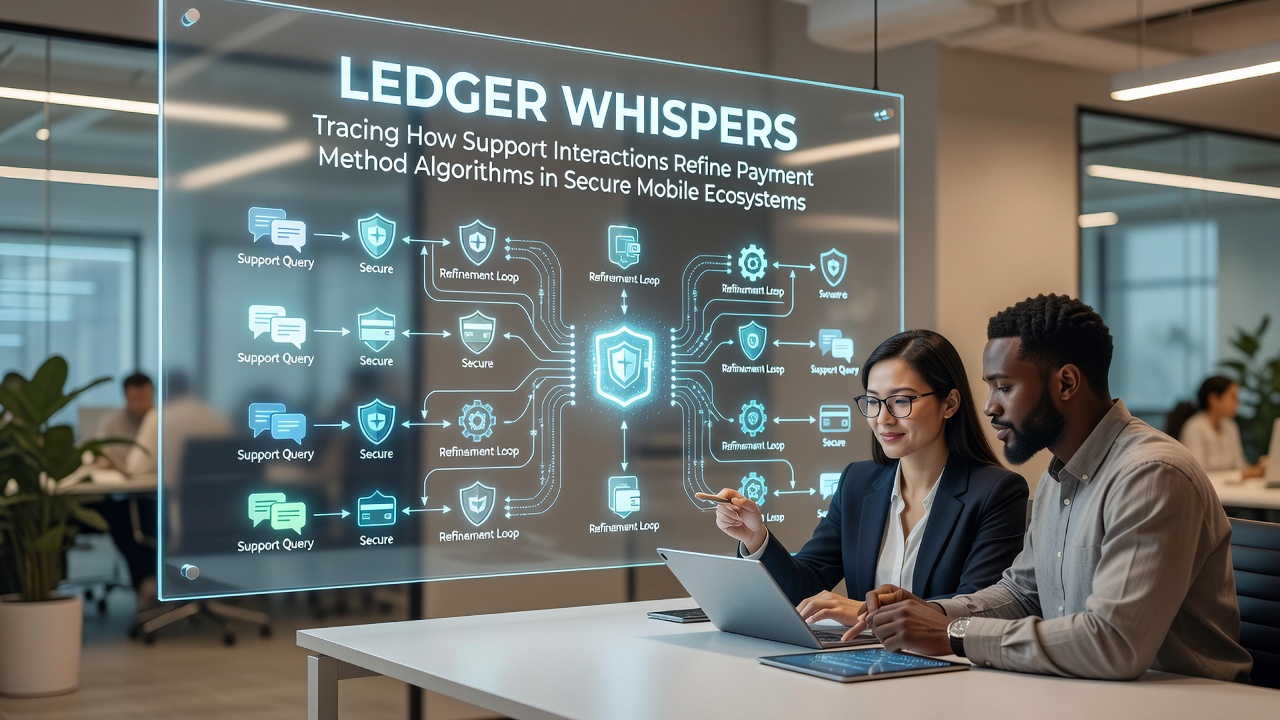
Support interactions in mobile payment systems generate detailed records that feed directly into algorithm updates for payment method selection and fraud detection layers. These exchanges between users and assistance teams capture patterns in transaction failures, method preferences, and verification hurdles, allowing developers to adjust the underlying models without exposing raw user details. Data from these touchpoints travels through encrypted channels where it gets aggregated and anonymized before reaching the refinement pipelines that power secure ecosystems.
Data Pathways from User Assistance to Algorithm Tuning
Every time a user contacts support about a declined transaction or an unexpected authentication prompt, the resulting log contributes to broader datasets that highlight friction points in payment flows. Researchers at institutions like the University of Toronto have documented how these logs, when processed through privacy-preserving techniques, reveal recurring issues with specific card networks or wallet configurations that standard telemetry often misses. The information then informs adjustments to scoring mechanisms that decide which payment method gets prioritized during checkout sequences.
Secure mobile ecosystems rely on layered encryption that keeps individual records isolated while still permitting aggregate analysis. Support teams operate within frameworks that strip identifiers before logs reach data scientists, a process that aligns with standards outlined by bodies such as the European Central Bank in its 2025 digital finance reports. This separation ensures that refinements to algorithms occur without compromising the personal boundaries that protect each account.
Refinement Mechanisms in June 2026 Deployments
By June 2026 several platforms had rolled out updated modules that explicitly incorporated support-derived signals into real-time payment routing logic. These changes allowed systems to detect when users repeatedly encountered issues with a particular bank-issued token and automatically surface alternative verified methods during the authorization step. Observers note that the timing coincided with broader regulatory pushes across North America and teh Asia-Pacific region for more responsive fraud-prevention tools.
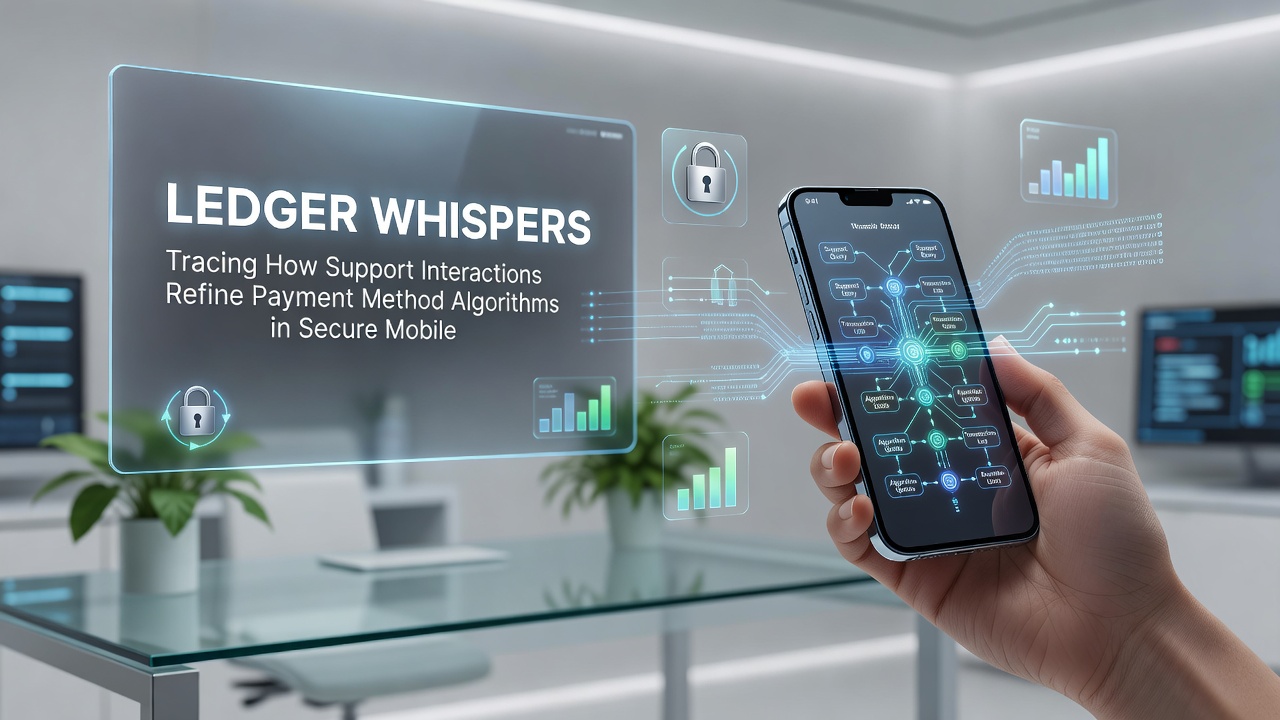
One documented case involved a regional operator that noticed elevated support volume around contactless limit errors; after feeding the aggregated patterns into the model, the platform adjusted threshold parameters on a per-device basis. The result appeared in reduced repeat contacts and smoother transaction completion rates across the affected user segments. Such refinements demonstrate how conversational data translates into precise parameter shifts while remaining inside the cryptographic boundaries of the mobile environment.
Security Architecture and Privacy Safeguards
Payment method algorithms operate inside hardware-backed secure enclaves on user devices, which limits the exposure of refined parameters even during updates. When support interactions trigger a model tweak, the change propagates through signed update channels that verify integrity before installation. This architecture, referenced in guidance from Australia's Payments System Board, prevents tampering and maintains the isolation between different users' data streams.
Patterns extracted from assistance records also help identify emerging threat vectors, such as coordinated attempts to probe authentication weaknesses across multiple accounts. Analysts compare these signals against transaction histories stored in immutable ledgers, creating feedback loops that strengthen detection rules without requiring direct access to personal identifiers. The process stays compliant with data minimization principles that limit retention periods for raw support transcripts.
Integration with Broader Transaction Ecosystems
Support-derived refinements rarely function in isolation; they intersect with registration flows, method selection interfaces, and ongoing monitoring systems. When a user switches preferred payment instruments after a support conversation, that choice contributes to cohort-level statistics that influence default suggestions for similar device profiles. The connections remain statistical rather than individualized, preserving the separation required by privacy regulations in multiple jurisdictions.
Academic work from institutions including the National University of Singapore has examined how these loops affect overall system resilience, finding measurable improvements in false-positive rates for declined transactions when support signals supplement traditional machine-learning inputs. The findings underscore the value of treating assistance exchanges as structured data sources rather than isolated events.
Conclusion
Support interactions continue to serve as quiet but consistent inputs that sharpen payment method algorithms across secure mobile ecosystems. Through careful aggregation, encryption, and compliance-aligned processing, these exchanges help platforms respond to real usage patterns while upholding the technical and regulatory boundaries that protect user information. As deployments evolve beyond June 2026, the same principles of data isolation and statistical refinement are expected to guide further iterations in algorithm design.