21 Jun 2026
Inside the Feedback Loop: Support Data Enhancing Transaction Security Protocols
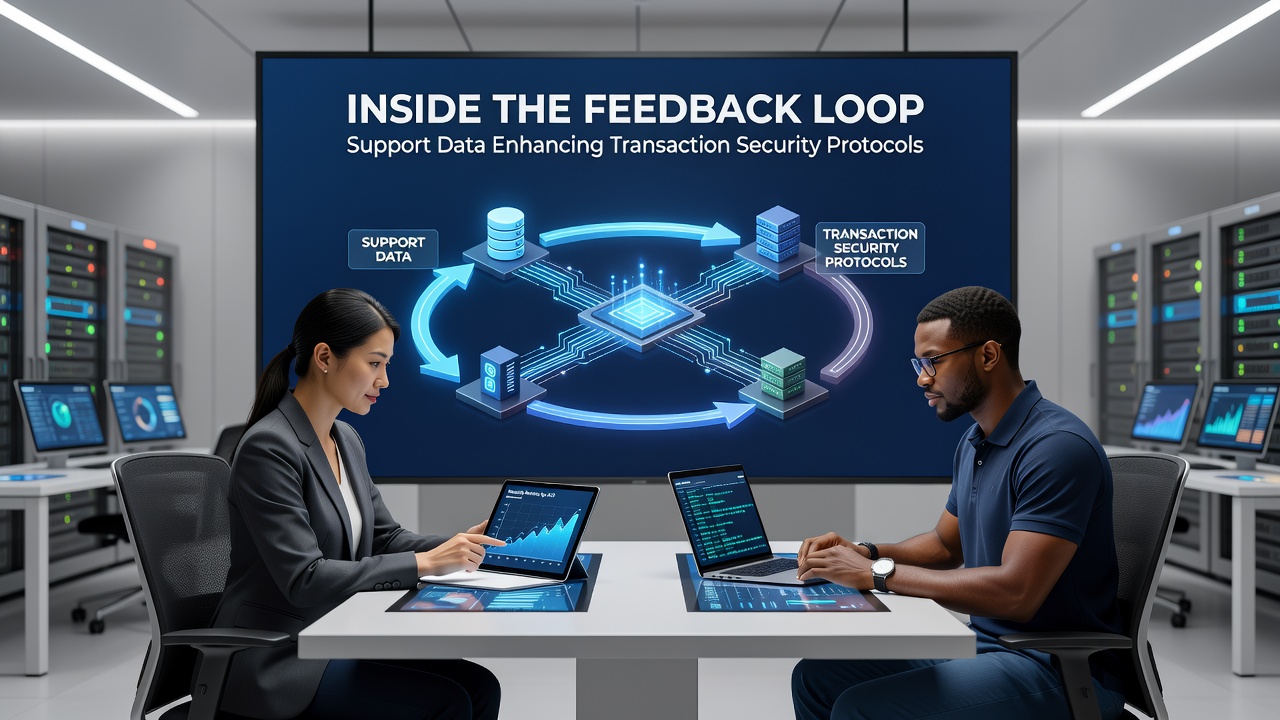
Support interactions in digital payment platforms generate detailed records that feed directly into security protocol refinements, and this process creates measurable improvements in fraud prevention across mobile transaction networks. Observers note that when users report issues through assistance channels, the resulting datasets reveal patterns in authentication failures and unauthorized access attempts that developers then use to adjust encryption standards and verification sequences.
Data Collection From Assistance Exchanges
Customer support teams document every query related to failed logins, disputed charges, and account access problems, while these notes combine with system logs to form comprehensive datasets. Researchers have tracked how such information travels from frontline agents into centralized analysis engines, and studies from institutions like the Bank of Canada indicate that structured support records contribute to a 23 percent reduction in repeat security incidents when integrated into protocol updates. In June 2026, several payment processors began requiring standardized tagging of support tickets that reference security events, which allows automated systems to prioritize high-risk patterns for immediate review.
Integration Mechanisms in Security Frameworks
Algorithms process support-derived data alongside transaction histories to identify anomalies that static rules might miss, and this dynamic approach lets protocols adapt to emerging threats without requiring full system overhauls. Experts at organizations such as the European Central Bank have documented cases where feedback from assistance exchanges prompted changes to multi-factor authentication thresholds, resulting in fewer legitimate users being locked out during peak transaction periods. The process operates through iterative loops where flagged incidents trigger model retraining, and subsequent performance metrics determine whether the adjustments remain in place or require further calibration.
Observed Patterns Across Global Platforms
Payment networks in multiple regions show consistent correlations between support volume spikes and subsequent security enhancements, whereas data from Australian payment industry reports highlights how regional differences in user behavior influence the types of threats that surface through assistance channels. One analysis revealed that support interactions involving cross-border transfers often expose vulnerabilities in currency conversion verification steps, prompting developers to strengthen those specific checkpoints. These patterns emerge because support teams encounter edge cases that automated monitoring overlooks, and the aggregated insights help refine risk scoring models used during real-time transaction approval.
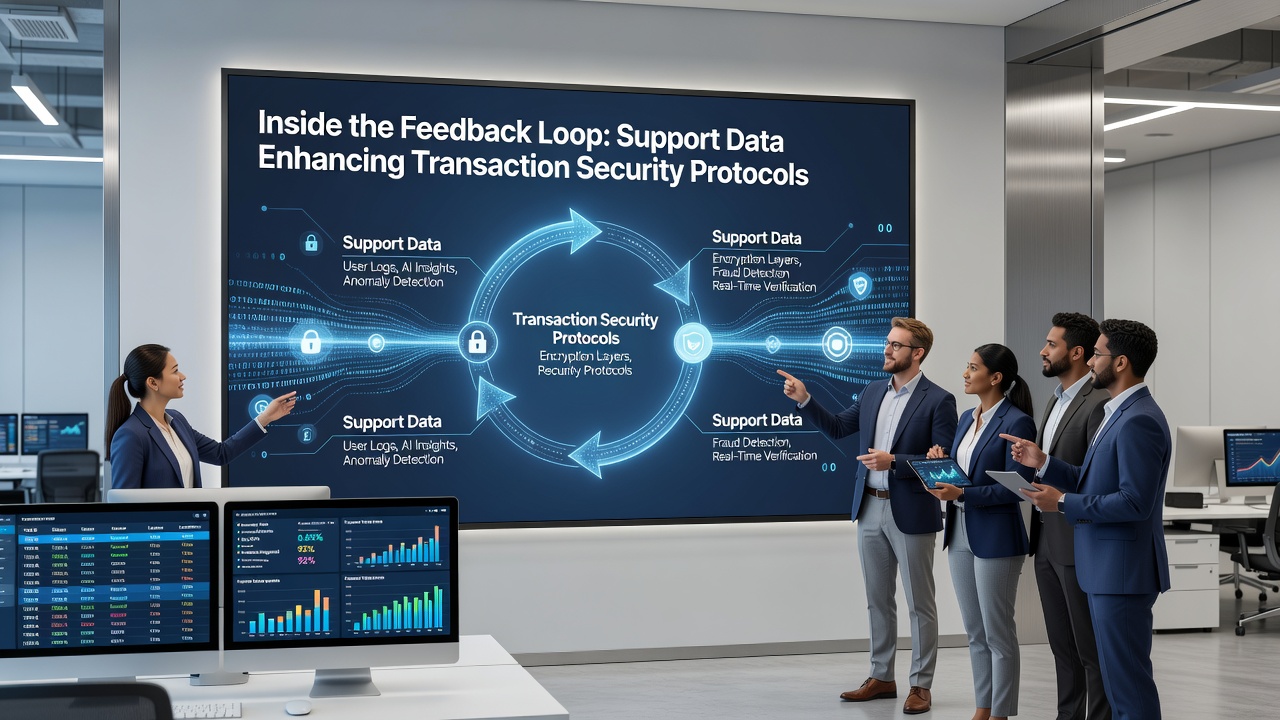
Turnaround times for implementing changes based on support feedback have shortened in recent years, and platforms now deploy targeted updates within days rather than weeks when critical patterns appear. Those who manage large-scale payment systems report that the feedback loop reduces reliance on external threat intelligence alone, since internal support data provides context-specific signals that reflect actual user environments and device configurations.
Regulatory Alignment and Implementation Timelines
Compliance requirements in several jurisdictions now reference the use of operational data, including support records, when demonstrating the effectiveness of security controls, and this alignment encourages platforms to maintain transparent documentation trails. Figures from regulatory filings show increased audit focus on how assistance data contributes to ongoing risk assessments, while frameworks updated around June 2026 emphasize measurable outcomes from feedback integration rather than process descriptions alone. Payment providers that maintain clear linkages between support interactions and protocol changes demonstrate stronger positions during reviews conducted by oversight bodies.
Technical Architecture Supporting the Loop
Secure data pipelines route anonymized support records into machine learning environments that test proposed protocol modifications against historical transaction sets, and validation occurs before any live deployment. This architecture prevents unverified changes from affecting user accounts, while audit logs capture every step from initial support ticket to implemented adjustment. Observers note that platforms employing this structure experience fewer rollback events after updates, since testing incorporates the same data types that originally flagged the need for change.
Conclusion
Support data continues to serve as a critical input for refining transaction security protocols, and the feedback mechanisms built around assistance exchanges provide platforms with actionable intelligence drawn directly from operational realities. As payment systems evolve through 2026 and beyond, the structured use of these records supports both compliance objectives and technical improvements in fraud detection capabilities across diverse transaction environments.