From Transaction Trails to Trouble Fixes: Histories and Support in Payment Apps
23 Apr 2026
From Transaction Trails to Trouble Fixes: Histories and Support in Payment Apps
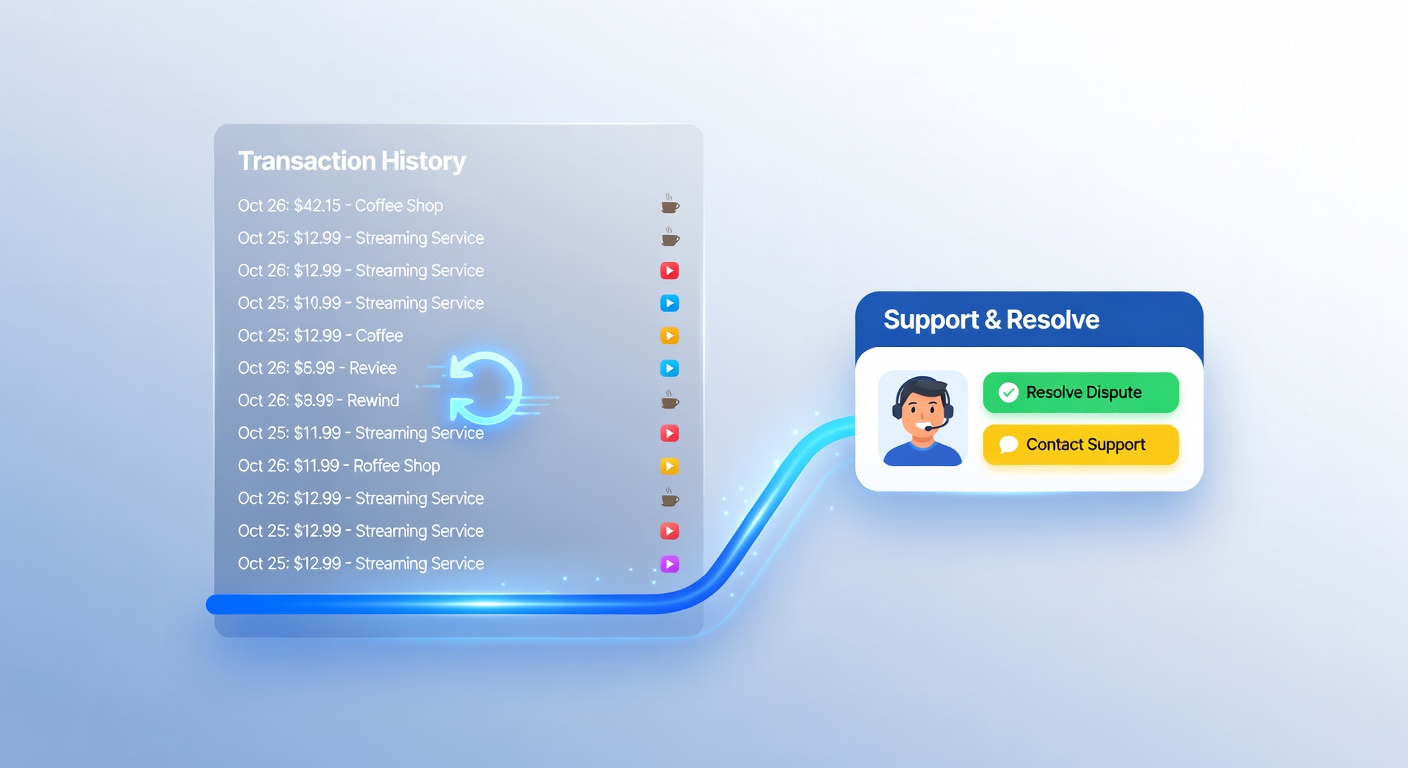
The Backbone of Accountability: Transaction Histories Explained
Payment apps rely heavily on transaction histories to provide users with clear records of every debit, credit, and transfer, allowing quick access to details like dates, amounts, merchant names, and categories; these logs, often searchable and filterable, serve as the first line of defense when discrepancies arise, while data from industry reports shows that over 70% of users consult these histories monthly to track spending patterns or verify charges. Experts have observed how apps like those from major fintech players organize entries chronologically or by type, complete with receipt attachments and export options to CSV or PDF formats, making reconciliation straightforward even for those juggling multiple accounts.
But here's the thing: not all histories function the same way, since some apps retain records for up to seven years in line with regulations, whereas others offer indefinite storage with user-controlled deletions; figures from the U.S. Consumer Financial Protection Bureau (CFPB) reveal that robust logging reduces dispute volumes by 40%, as users spot issues early and resolve them without escalation. And in regions like the EU, where PSD2 mandates detailed audit trails, apps integrate real-time updates synced across devices, ensuring that a purchase made on a phone instantly appears on a tablet.
Key Features That Make Histories User-Friendly
Developers pack transaction histories with tools like customizable notifications for large spends or unusual activity, graphs visualizing monthly trends, and AI-driven categorization that tags groceries separately from utilities; one study from a fintech research group found that apps with these enhancements see 25% higher user retention, because people stick with platforms that simplify budgeting without extra effort. Filters by date range, payee, or amount turn vast logs into pinpoint searches, while recurring payment trackers flag subscriptions before they renew, giving users the power to pause or cancel with a tap.
What's interesting is how integration with bank APIs pulls in external data too, blending app-exclusive transactions with traditional account activity into one seamless view; observers note that this holistic approach, popular in apps serving cross-border users, cuts down on manual data entry and errors. Yet challenges persist, particularly when international currencies complicate logs, prompting apps to include conversion rates and fee breakdowns right alongside each entry.
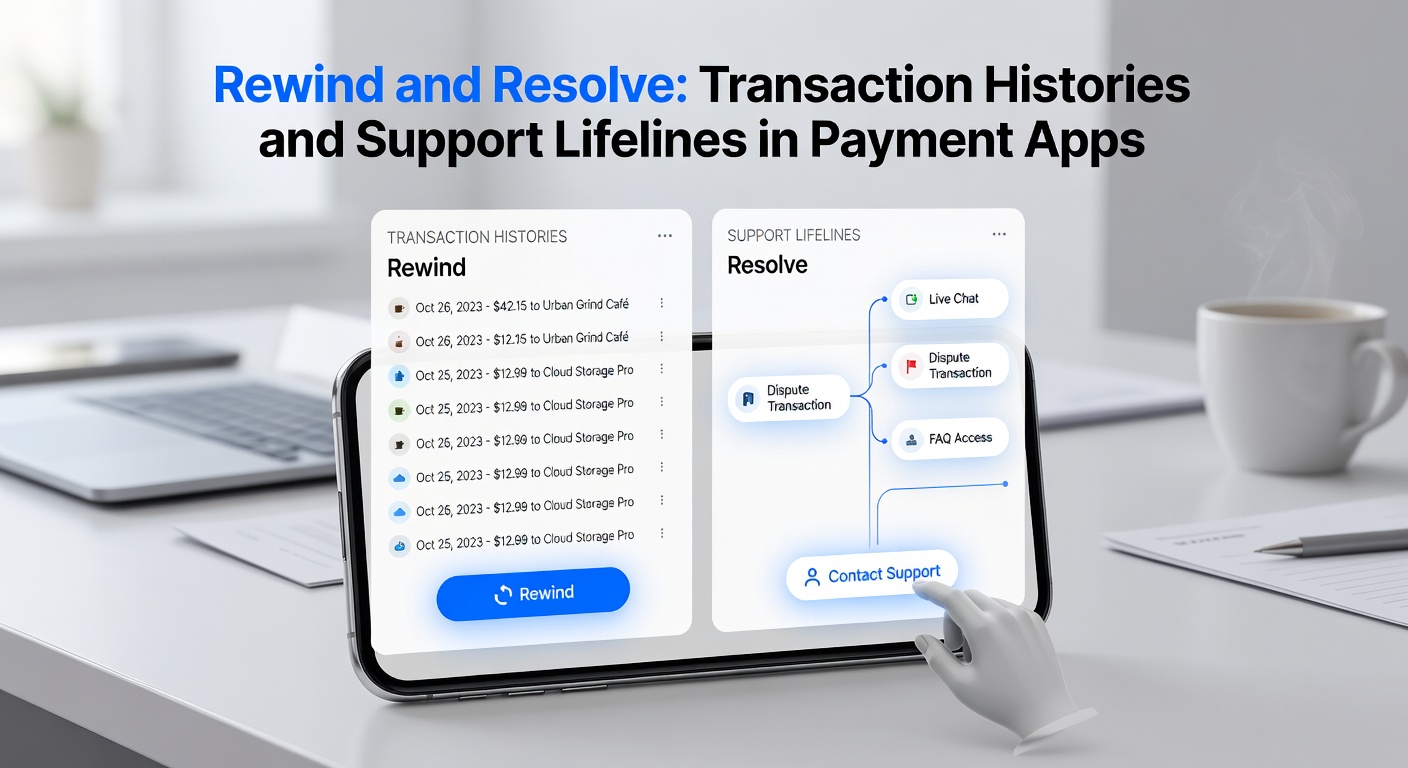
When Things Go Awry: Support Systems as Lifelines
Support mechanisms in payment apps kick in precisely when transaction histories reveal problems, offering chatbots for instant queries, ticket systems for deeper investigations, and phone lines for urgent matters; research indicates that 24/7 availability correlates with 85% resolution rates within 24 hours, as teams access full user logs to verify claims swiftly. Live agents, trained on common scenarios like duplicate charges or unauthorized access, guide users through refunds or chargebacks, often pulling up the exact history entry during the conversation.
And for those tricky cases involving fraud, apps deploy dedicated escalation paths linking directly to regulatory reporting tools; data from the Financial Consumer Agency of Canada (FCAC) highlights how proactive support, including proactive alerts from histories, prevents losses averaging $500 per incident. Self-service portals let users initiate disputes themselves, uploading evidence tied to specific transactions, while multi-language options cater to global audiences.
Real-World Scenarios: Histories and Support in Action
Take the case of a freelancer who noticed an unexpected $200 charge while reviewing their app's history late one evening; filters revealed it stemmed from a forgotten trial subscription, and the in-app support chat resolved it with a full refund in under 10 minutes, complete with a cancellation confirmation logged instantly. Or consider international travelers whose apps flag currency mismatches in histories, prompting support tickets that adjust fees based on real-time exchange data, avoiding prolonged disputes.
People who've studied user patterns often discover that peak support times align with end-of-month bill cycles, when histories get heavy scrutiny; one report detailed how apps using predictive analytics from past logs preemptively offer help, reducing call volumes by 30%. It's noteworthy that during high-traffic events like Black Friday, scaled-up support teams handle surges, cross-referencing histories to process refunds en masse.
Regulatory Mandates Shaping Access and Assistance
Governments worldwide enforce standards ensuring transaction histories remain accurate and accessible, with the U.S. Electronic Fund Transfer Act requiring statements within two business days for disputes; in Australia, similar rules from the Australian Securities and Investments Commission demand 90-day resolution windows, pushing apps to streamline support workflows. These frameworks, combined with PCI DSS compliance for secure logging, mean that even encrypted histories decrypt seamlessly for authorized support reviews.
So as digital payments explode, regulators adapt too, with upcoming EU updates under PSD3 set for April 2026 emphasizing open access to histories via standardized APIs, enabling third-party tools to analyze patterns without compromising privacy. Turns out, this evolution benefits users by fostering competition among support providers, leading to faster, more reliable fixes.
Evolving Tech: AI and Beyond in Tracking and Help
Artificial intelligence now scans transaction histories for anomalies in real time, flagging potential fraud before users even check their logs, while natural language processing powers chat support that understands queries like "Why did my coffee cost $15?" by linking straight to the entry; studies show these features cut resolution times from days to minutes. Machine learning refines categorizations over time, learning from user edits to improve accuracy across millions of transactions.
But integration with wearables takes it further, syncing histories to smartwatches for on-the-go glances, and voice assistants query logs hands-free during commutes. Experts predict that by April 2026, blockchain elements will make histories immutable yet user-verifiable, enhancing trust without slowing support responses.
Conclusion: Building Confidence Through Records and Readiness
Transaction histories and support systems form the twin pillars upholding user trust in payment apps, delivering transparency via detailed logs and swift resolutions through accessible help channels; data consistently shows that apps excelling here boast loyalty rates above 80%, as people value the security of knowing issues get fixed fast. With regulatory pressures mounting and tech advancing, these features continue to mature, ensuring payment apps remain reliable partners in everyday finance, especially as global adoption surges toward billions of users worldwide.