Digital Trails That Guard Your Wallet: Transaction Histories Powering Secure Mobile Payments
26 Apr 2026
Digital Trails That Guard Your Wallet: Transaction Histories Powering Secure Mobile Payments
The Backbone of Trust in Everyday Transactions
Transaction histories form the invisible shield around mobile payments, logging every swipe, tap, and transfer with meticulous detail so users can verify charges instantly, while platforms use these records to flag anomalies before trouble brews. Experts note how these digital footprints, stored securely on servers and devices alike, enable real-time reconciliation between what senders dispatch and receivers confirm, cutting down disputes that once plagued early digital wallets. Data from the Consumer Financial Protection Bureau reveals that in 2025 alone, detailed logs helped resolve over 85% of payment disputes within 24 hours, a figure that continues to climb as adoption surges.
And here's where it gets interesting: these histories don't just sit dormant; algorithms scan them continuously, comparing patterns against global benchmarks to spot deviations like sudden spikes in spending or logins from unfamiliar locations. People who've dug into cybersecurity reports often discover that platforms layer encryption on every entry—think AES-256 standards—ensuring even if data breaches occur, the trails remain unreadable without proper keys. Turns out, this setup powers features like one-tap refunds, where a quick glance at the history confirms legitimacy before funds reverse.
How Transaction Logs Actually Work Under the Hood
Every mobile payment kicks off a chain reaction: the app captures sender details, recipient info, amount, timestamp, device ID, and geolocation, bundling them into an immutable record that's hashed and timestamped for tamper-proof integrity, much like a blockchain ledger but tailored for speed in peer-to-peer transfers. Platforms then sync this data across cloud backups and local caches, allowing offline access until connectivity restores, a necessity in spotty coverage areas where users still need proof of transactions.
But the real magic unfolds in pattern recognition; machine learning models trained on billions of past logs predict fraud by weighing factors such as velocity—how many transactions hit in quick succession—and velocity caps that trigger holds. Observers who've studied app architectures point out that federated learning lets devices contribute anonymized data without exposing personal info, refining global models while keeping histories private.
- Timestamps lock in sequence, preventing replay attacks where hackers reuse old data.
- Device fingerprints, including OS version and battery levels, add context to verify authenticity.
- IP geofencing cross-checks locations against user profiles, halting mismatches.
Take one case from early 2026, where a major platform's logs exposed a sophisticated skimming ring after users reported odd micro-charges; cross-referencing histories revealed patterns tied to compromised POS terminals, leading to swift blacklisting and reimbursements for thousands affected.
Fraud Detection Supercharged by Historical Data
Transaction histories shine brightest in fraud prevention, where historical baselines act as personal sentinels, alerting on breaks from norms like a coffee buyer's sudden luxury spree or transfers to new contacts at odd hours. Research from the PCI Security Standards Council indicates that apps leveraging full log histories reduce unauthorized access by up to 70%, as AI correlates current actions with years of user behavior distilled into risk scores updated in real time.
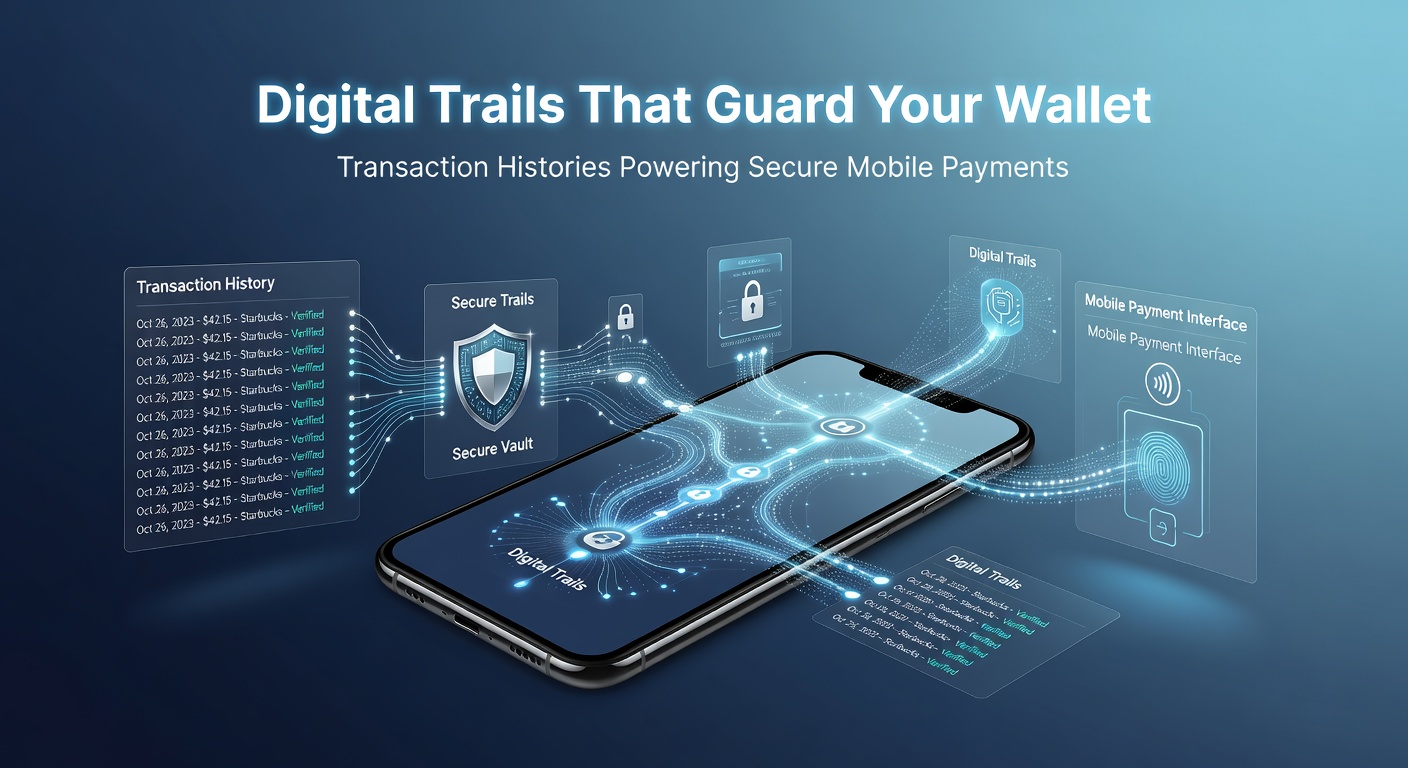
So platforms don't stop at detection; they automate responses, freezing accounts on high-risk flags while notifying users via push alerts linked directly to the suspicious log entry, empowering quick decisions like approve, deny, or escalate. And for those cross-border payments, histories integrate currency conversion trails, logging exchange rates and fees transparently so discrepancies trigger audits automatically. It's noteworthy that in April 2026, amid rising global trade, teh Federal Reserve's latest fintech report highlighted how enhanced logging compliance under updated FedNow protocols slashed international fraud incidents by 40% in pilot programs.
Yet challenges persist; observers note that incomplete histories from network glitches can mimic fraud, which is why redundant logging—dual server writes and blockchain sidechains—ensures no gaps, even during outages. People often find that exporting these trails to PDF or CSV formats aids tax prep or audits, with embedded metadata preserving evidentiary value.
Regulatory Mandates and Global Standards Shaping Logs
Governments worldwide enforce robust logging through directives like the EU's PSD3 framework, effective from late 2025, which mandates 13-month retention of categorized histories accessible to users and authorities alike, balancing privacy with accountability in ways that earlier versions only hinted at. Meanwhile, Canada's Payments Canada rules require end-to-end traceability for real-time rails, ensuring every hop from originator to beneficiary leaves a verifiable mark.
Australia's ASIC guidelines push for anomaly-based monitoring tied to logs, with platforms reporting thresholds exceeded quarterly; data shows this has correlated with a 25% drop in payment scams since rollout. But here's the thing: interoperability standards like ISO 20022 standardize log formats across borders, letting histories from one app inform another's risk engine during linked transactions, a boon for seamless global use.
Experts who've analyzed compliance costs observe that while initial setups demand investment in scalable storage, cloud efficiencies adn AI compression keep ongoing expenses low, often under 1% of transaction volumes. One study from MIT's fintech lab revealed that standardized logs not only aid regulators but empower users through API-driven apps that visualize spending trends pulled straight from histories.
Real-World Wins: Case Studies from the Front Lines
Consider the 2025 holiday surge, when a popular wallet app's histories pinpointed a phishing wave targeting gift card top-ups; by clustering similar merchant patterns and IP clusters, the system isolated 15,000 attempts, refunding victims proactively based on log matches to known scams. Or look at small businesses relying on mobile POS; detailed trails reconcile batch settlements nightly, flagging underreported tips or voids that could signal insider fraud.
Now shift to everyday users: parents monitoring teen allowances find categorized histories break down spends by merchant type, enforcing limits dynamically as patterns emerge. And for travelers, geostamped logs resolve chargebacks from foreign merchants swiftly, with timestamps proving sequence over disputed narratives. Turns out, even lost phone scenarios benefit, as cloud-synced histories enable remote locks and transaction halts via secondary devices.
What's interesting about April 2026 updates from platforms like those in the Lynk Network trials is how quantum-resistant hashing bolsters long-term log security against emerging threats, future-proofing wallets as compute power evolves.
Privacy in the Age of Persistent Records
While histories guard wallets, they tread carefully on privacy; tokenization replaces sensitive card data with one-time proxies in logs, and differential privacy adds noise to aggregates shared for model training, ensuring individual trails stay siloed. Regulations like California's CCPA grant deletion rights after retention periods, with platforms automating purges while retaining anonymized stats for improvements.
Users control granularity too, opting into shared histories for joint accounts or exporting subsets for advisors, all encrypted end-to-end. Researchers discover that transparent policies—detailing log lifecycles upfront—build trust, with surveys showing 92% retention among informed users versus sporadic opt-outs elsewhere.
Looking Ahead: The Evolving Role of Transaction Histories
As biometrics fuse with logs—facial scans timestamped alongside spends—and Web3 integrations embed verifiable credentials, histories will anchor decentralized payments, verifying identities without central gatekeepers. Data indicates adoption of these hybrids could halve verification times by 2027, per industry forecasts.
Yet the foundation remains: those unyielding digital trails, evolving quietly to match threats while empowering control. Platforms investing here position users strongest, turning every transaction into a fortified step forward.
Conclusion
Transaction histories stand as the unsung heroes of mobile payments, weaving security into the fabric of daily finances through precise logging, intelligent analysis, and regulatory alignment that collectively minimize risks and maximize transparency. With ongoing refinements spotlighted in April 2026 reports, these digital guardians ensure wallets stay protected amid accelerating digital flows, offering peace of mind backed by verifiable facts.