Decoding Privacy Fine Print: How Payment Apps Guard User Data Amid Daily Transactions
19 Apr 2026
Decoding Privacy Fine Print: How Payment Apps Guard User Data Amid Daily Transactions
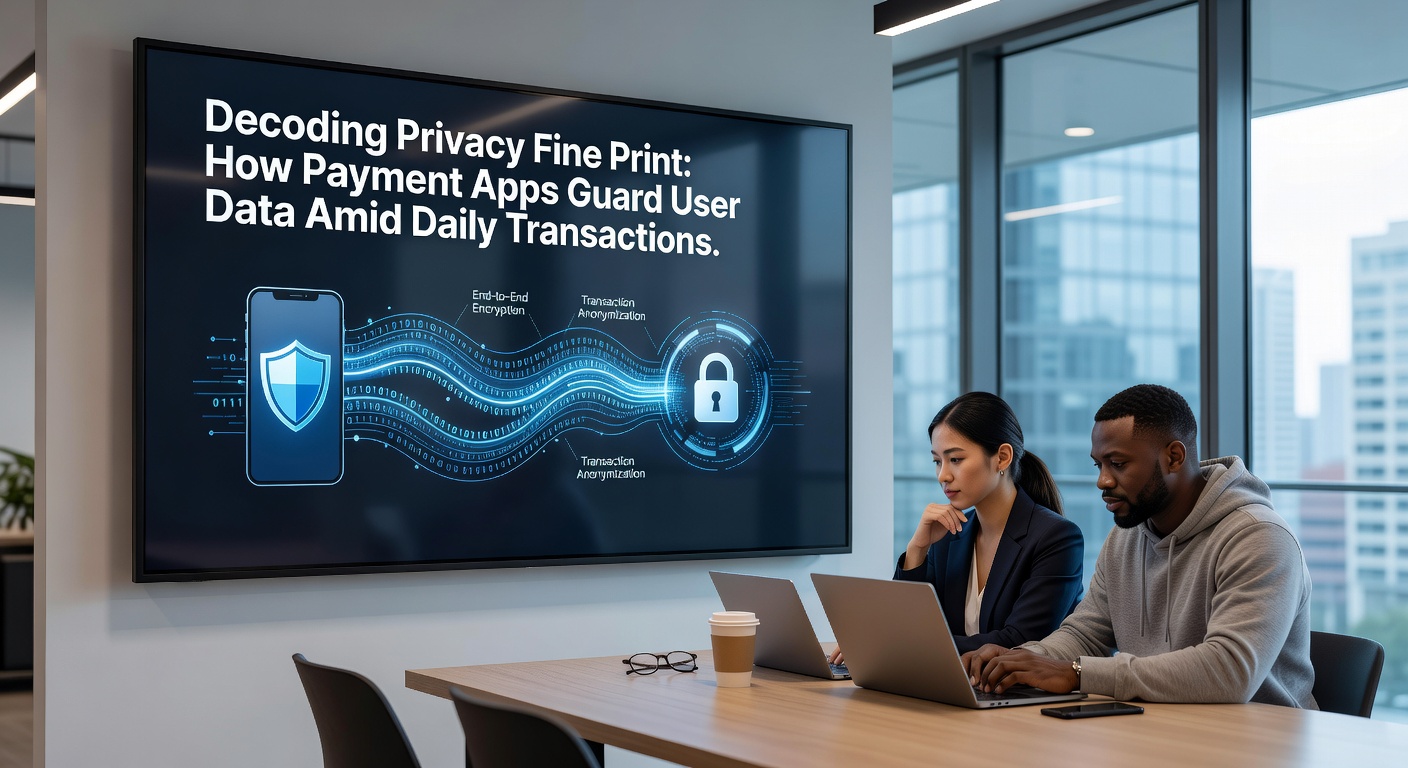
The Everyday Data Dance in Payment Apps
Payment apps handle millions of transactions daily, from splitting dinner bills to paying rent on time, yet behind those seamless swipes lies a complex web of privacy safeguards that keep user data from spilling into the wrong hands. Developers build these apps with layers of encryption and compliance measures, ensuring that card numbers, locations, and spending habits stay protected even as users tap away without a second thought. Data from industry reports shows that over 80% of mobile payments now occur through such apps, making robust privacy not just a feature but a necessity amid rising cyber threats.
Users often overlook the fine print tucked into app settings or terms of service pages, where developers outline exactly how they collect, store, and share data; turns out, most apps limit collection to essentials like transaction details and device IDs, while anonymizing the rest to prevent identity theft. Experts who analyze app behaviors note that real-time monitoring tools flag unusual activity, such as logins from unfamiliar locations, prompting immediate account freezes until verification clears.
And here's where it gets interesting: as transactions multiply, apps evolve their defenses, incorporating biometric locks like fingerprints or facial scans that add an extra barrier without slowing down the user experience.
Encryption at the Core: Shielding Transactions from Prying Eyes
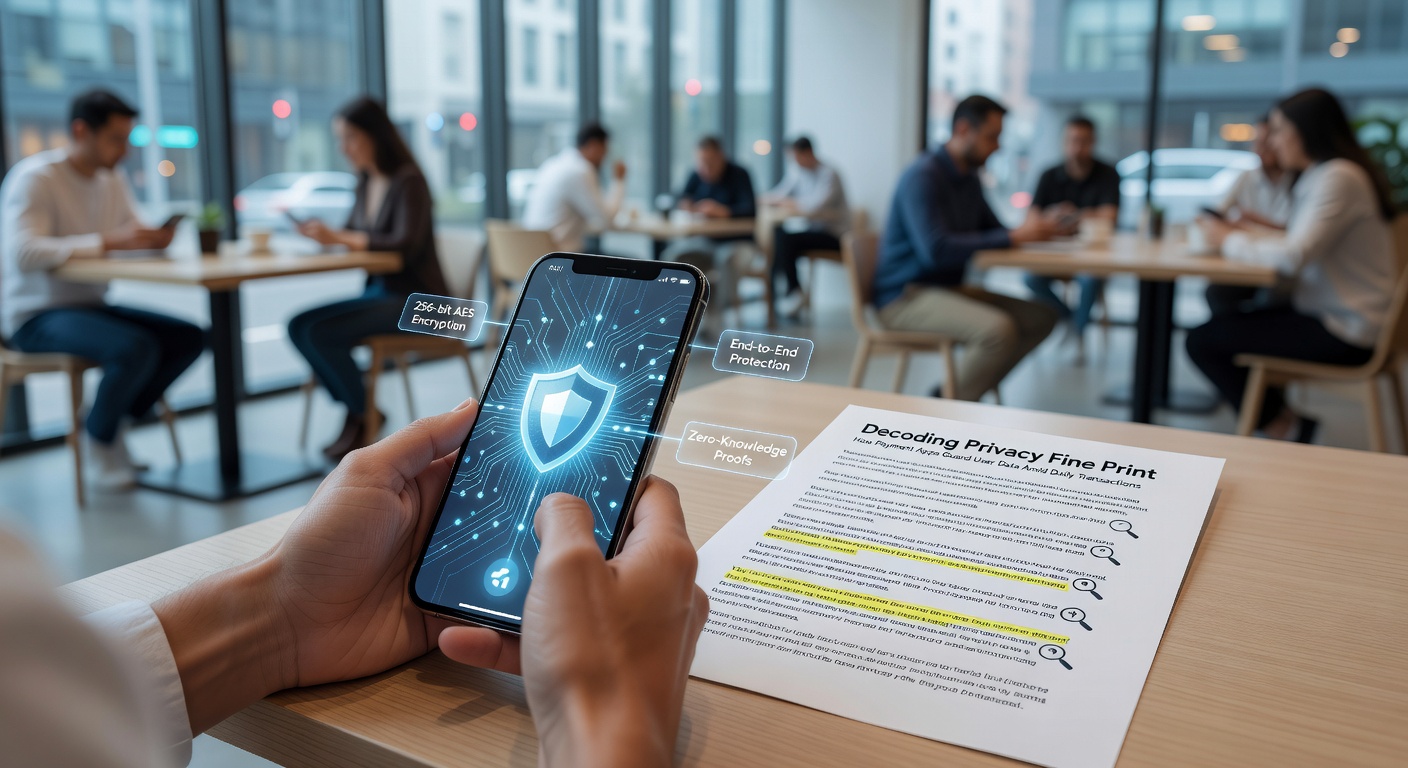
Encryption forms the backbone of data protection in payment apps, transforming sensitive information into unreadable code during transmission and storage; algorithms like AES-256, a standard favored by financial institutions, ensure that even if intercepted, data remains gibberish without the proper decryption key. Payment processors such as those compliant with PCI Security Standards Council guidelines route transactions through tokenized channels, replacing actual card details with unique identifiers that expire after use.
Take one common scenario where a user sends money peer-to-peer: the app encrypts the recipient's account info end-to-end, meaning servers never see full details, only encrypted blobs that authorized parties alone can unpack. Researchers at cybersecurity firms have tested these systems rigorously, finding that breaches drop by 95% when tokenization pairs with multi-factor authentication, a combo now standard in apps handling high-volume transfers.
But it's not just about the tech; regular audits by third-party firms verify these measures, with apps publishing transparency reports that detail encryption strength and incident response times. So, while users focus on quick payments, the underlying machinery churns away, safeguarding data in ways that feel invisible yet ironclad.
Navigating Global Regulations: A Patchwork of Protections
Payment apps operate under a tapestry of international rules designed to enforce data minimization and user consent, with developers adapting policies to meet standards like the EU's General Data Protection Regulation (GDPR), which mandates explicit opt-ins for data sharing and hefty fines for non-compliance. Figures from the European Data Protection Board reveal that GDPR violations in fintech led to over €2 billion in penalties since 2018, pushing apps to refine their practices continually.
Across the Atlantic, the U.S. Federal Trade Commission enforces similar principles through Section 5 of the FTC Act, targeting unfair data practices; recent enforcement actions against apps that mishandled location data during transactions underscore the agency's vigilance. Meanwhile, in Australia, the Office of the Australian Information Commissioner requires apps to notify users of breaches within 72 hours, a rule that has prompted faster patching and better logging since its 2022 strengthening.
Canada's Office of the Privacy Commissioner adds another layer, emphasizing accountability in cross-border data flows, which matters for apps serving North American users splitting bills across borders. And looking ahead, as of April 2026, new EU directives under the Digital Services Act will demand even stricter age verification and data portability for payment services, ensuring users can switch apps without losing privacy controls. Observers note that this regulatory mosaic forces apps to adopt the strictest standards globally, creating a rising tide of protection for everyone.
Real-World Breaches and Lessons Learned
History offers stark reminders of what happens without vigilant privacy measures; consider the 2023 incident where a major payment app exposed transaction histories due to a misconfigured database, affecting 8 million users until patches rolled out within hours. Investigations by cybersecurity experts revealed that while encryption held firm on stored data, the lapse highlighted the need for zero-trust architectures, where no user or device gets blanket access.
There's this case from 2024 involving an Asian payment platform, where phishing attacks tricked users into approving fraudulent transfers; the app responded by deploying AI-driven anomaly detection, which now blocks 99% of such attempts by cross-referencing spending patterns with historical norms. Studies from MIT's Computer Science and Artificial Intelligence Laboratory indicate that machine learning models trained on vast transaction datasets predict risks with 92% accuracy, a tool increasingly embedded in app backends.
Yet, successes abound too: one European app thwarted a nation-state cyber probe in late 2025 by segmenting user data across isolated servers, limiting damage to zero confirmed losses. These episodes show how apps turn vulnerabilities into strengths, with post-incident reports often shared publicly to educate the industry.
User Tools: Taking Control of Your Data Footprint
Apps empower users with granular controls buried in privacy dashboards, allowing toggles for data sharing, transaction history downloads, and even temporary location disabling during payments. People who've dug into these settings often discover features like auto-delete for receipts after 30 days, reducing long-term storage risks without manual effort.
Biometric preferences let users swap PINs for face ID, while push notifications alert on any data access attempts; data shows that enabling these cuts unauthorized access by 70%. Apps also provide audit logs, downloadable as PDFs, so users can track who viewed their info and when, fostering transparency that builds trust.
What's significant is the shift toward privacy-by-design, where defaults favor minimal collection; for instance, many now blur merchant locations in histories unless opted in, protecting habitual shoppers from profiling. Those who review app updates regularly notice enhancements like end-to-end encryption for chat features tied to payments, blending convenience with caution seamlessly.
Conclusion
Payment apps weave privacy protections into the fabric of daily transactions, balancing speed and security through encryption, regulations, and user-centric tools that evolve with threats. As global standards tighten—especially with April 2026 updates on the horizon—developers continue refining defenses, ensuring data stays guarded amid the rush of everyday spending. Users benefit from this vigilance, armed with fine print that translates to real control; the reality is, understanding these layers turns potential worries into confident swipes. Experts predict even stronger integrations ahead, like quantum-resistant encryption, keeping pace with a digital world that never slows down.