14 Jun 2026
Cryptographic Footprints: How Initial Access Steps Inform Long-Term Privacy Measures Across Mobile Transaction Services
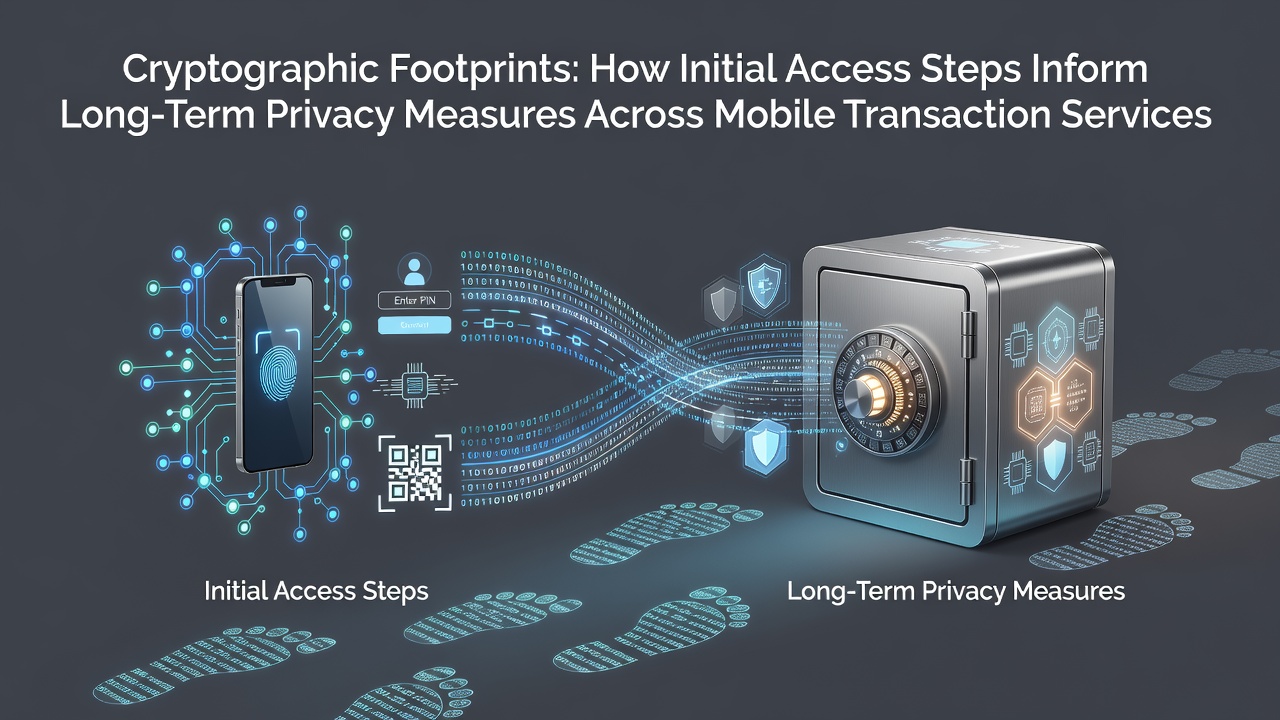
Initial access steps in mobile transaction services establish cryptographic markers that shape privacy safeguards over extended periods, and these markers begin forming the moment users complete registration sequences or select authentication methods. Data indicates that entry points such as device binding, key generation, and token creation create persistent records that later influence how platforms manage data retention, access controls, and encryption updates across global payment ecosystems.
Foundations of Cryptographic Markers at Onboarding
Registration processes in mobile payment applications generate unique cryptographic identifiers through protocols like elliptic curve cryptography and public key infrastructure, while these identifiers link directly to user devices and chosen verification techniques. Observers note that when users establish accounts in June 2026, systems often incorporate multi-factor elements that embed session-specific hashes into transaction ledgers, and these hashes persist even after initial setup concludes. Research from institutions such as the University of Melbourne's cybersecurity labs shows that early choices around biometric integration or hardware security modules determine the strength of subsequent privacy layers, including how platforms handle data minimization during routine transfers.
Token issuance during first access further refines these footprints because each token carries metadata about the originating authentication sequence, and platforms use this information to calibrate long-term policies on key rotation and consent management. Experts have observed that services operating under frameworks from bodies like the Australian Competition and Consumer Commission maintain audit trails of these tokens to comply with regional data protection standards, which in turn affects how user profiles evolve over months or years of activity.
Tracing Influences on Ongoing Privacy Architectures
Long-term privacy measures draw directly from initial cryptographic setups, since patterns established at onboarding dictate encryption scopes for stored transaction histories and real-time monitoring tools. For instance, when a platform adopts zero-knowledge proofs during early verification, those same techniques often extend to later features such as spending analytics or dispute resolution, and this continuity reduces exposure risks across the service lifecycle. Figures from industry reports reveal that services updating their systems around mid-2026 have prioritized backward compatibility with original key structures to avoid disrupting established privacy commitments.
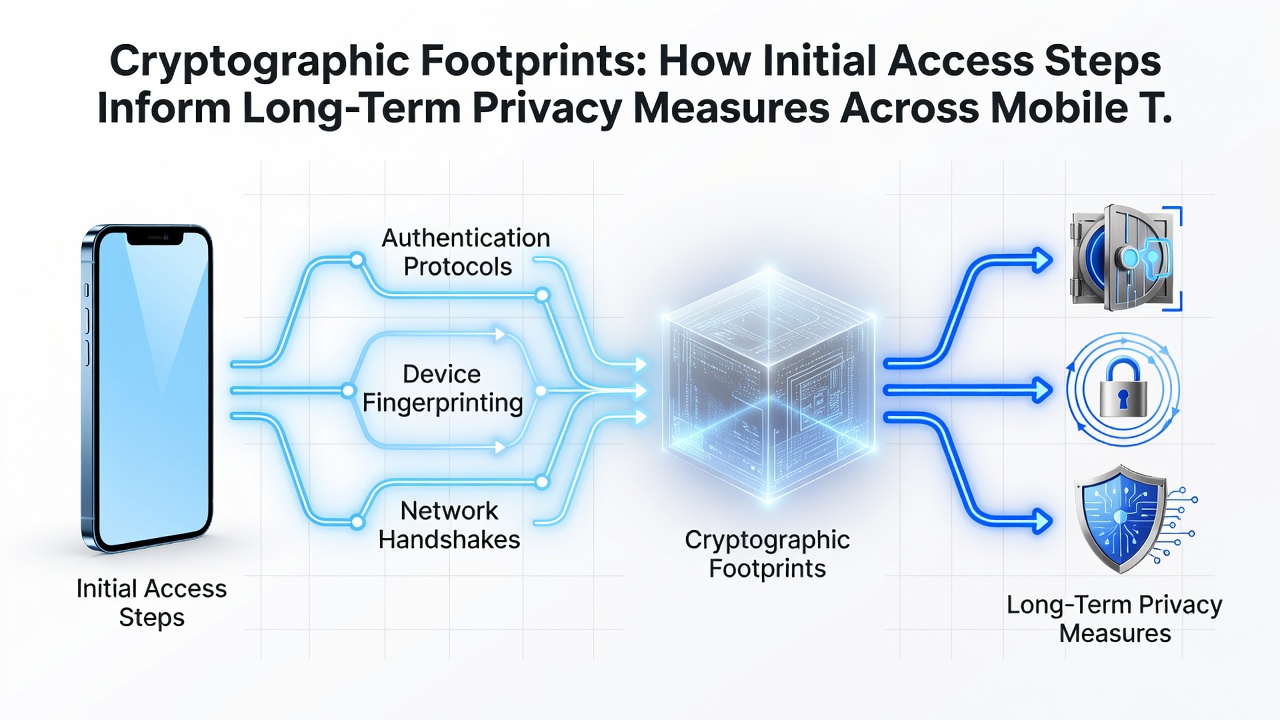
Device fingerprinting introduced at the access stage also informs adaptive privacy controls because platforms reference these fingerprints to detect anomalies and adjust data sharing permissions dynamically. Those who've examined payment app architectures point out that initial selections of authentication methods, whether password-based or certificate-driven, create decision trees that guide automated responses to potential breaches years afterward. And this linkage becomes particularly evident when services integrate new capabilities such as contactless upgrades or cross-border transfers while preserving the cryptographic lineage from the first interaction.
Regional Variations and Regulatory Intersections
Different jurisdictions apply distinct pressures on how initial footprints translate into sustained measures, with Canadian privacy regulations emphasizing explicit consent logs tied to onboarding cryptography, whereas frameworks in the European Union focus on data portability that respects original encryption states. According to guidance issued by the Office of teh Privacy Commissioner of Canada, these early records help determine retention periods and deletion protocols, which ensures that privacy architectures remain aligned with user expectations established at account creation. Services must therefore map their cryptographic choices against multiple regulatory layers simultaneously, and this mapping process often relies on the same foundational data generated during initial access.
Updates in June 2026 to international standards for mobile payments have highlighted the need for platforms to audit these footprints regularly, and such audits typically uncover how early method selections influence everything from anomaly detection algorithms to support team access rights. Researchers discovered through comparative studies that platforms maintaining detailed cryptographic histories at onboarding demonstrate stronger compliance outcomes across varied regulatory environments.
Conclusion
Cryptographic footprints originating from initial access steps continue to direct privacy measure development in mobile transaction services by providing the structural basis for encryption continuity, consent tracking, and adaptive controls. Evidence shows that these early elements enable platforms to sustain consistent protections while accommodating regulatory shifts and technological advancements, and the resulting architectures reflect deliberate connections between onboarding decisions and long-term operational requirements.