30 Jul 2026
Behind the Screen: How Download Flows Shape Privacy Outcomes Across Electronic Exchange Networks

Download flows represent the sequence of steps users follow when acquiring software from digital repositories, and these sequences directly influence how personal information moves through electronic exchange networks where data travels between devices, servers, and third-party systems. Observers note that each tap, permission grant, and account creation during installation sets parameters for data collection that persist long after the initial setup completes, because the choices made at this stage often determine which APIs activate and which telemetry streams begin transmitting user details.
Mechanics of Download Sequences in Modern Platforms
App stores and software repositories structure their installation processes around standardized prompts that request access to device features such as storage, location services, and contact lists, and research from academic institutions shows these prompts vary significantly across operating systems. Data from platform analytics indicates that streamlined flows with fewer explicit consent screens result in higher rates of broad permission grants, whereas multi-step wizards that separate core functionality from optional data sharing tend to produce more granular user selections. Those who have examined installation logs across thousands of sessions find that default settings frequently favor maximum data exchange, which then feeds into larger networks handling everything from crash reporting to personalized content delivery.
Electronic exchange networks rely on the metadata generated during these downloads to authenticate devices and establish secure channels, and figures from regulatory reports reveal that incomplete or rushed consent processes can leave residual identifiers active even when users later adjust privacy settings. In July 2026 several jurisdictions updated their guidance on mandatory disclosure during onboarding, requiring clearer separation between essential network functions and optional analytics modules.
Data Pathways Established at Installation
Once a download completes, the application typically initiates background connections that route information through content delivery networks and analytics providers, and studies conducted by university research teams demonstrate how early permission grants expand the scope of these pathways. For instance, enabling location access at setup allows continuous position data to flow into mapping services and advertising exchanges, while contact synchronization immediately populates centralized directories used by multiple partner organizations. The reality is that these initial connections often include unique device fingerprints that persist across sessions, making subsequent anonymization efforts more difficult.
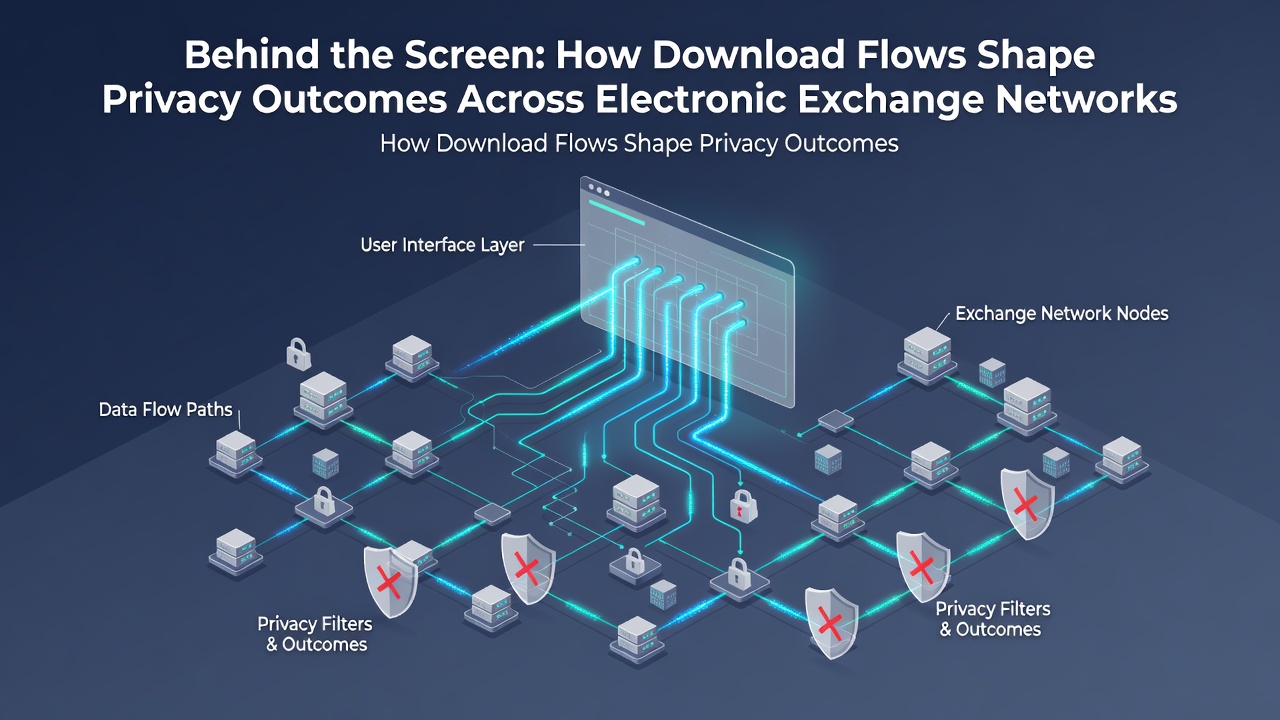
According to the Office of the Privacy Commissioner of Canada guidance on consent mechanisms, the timing of permission requests during download strongly correlates with long-term compliance rates. Researchers have documented cases where applications that bundle multiple data requests into a single screen see lower revocation rates months later, because users rarely revisit settings after the initial experience. What's interesting is that network operators use this early data to calibrate throttling and routing rules, which in turn affects how quickly privacy-related updates propagate back to individual devices.
Regulatory Frameworks and Their Influence on Download Design
Government agencies across different regions have introduced requirements that reshape how download interfaces present information, and evidence from enforcement actions shows these rules alter the volume of data exchanged in the first hours after installation. The European approach under GDPR emphasizes granular consent records that must be stored and auditable, which has led platforms to implement revocable toggles that appear immediately after download completes. In contrast, frameworks in Australia and parts of Asia focus on breach notification timelines tied to installation metadata, requiring companies to log exactly which data categories were activated during setup.
Those who've reviewed compliance filings note that companies adapt their flows to satisfy the strictest applicable standard in each market, resulting in regional variations within the same application. This adaptation creates uneven privacy outcomes because users in jurisdictions with stronger default protections experience narrower data flows from the outset, while others encounter broader exchanges that require manual adjustment.
Long-Term Effects on Network Privacy Posture
Download choices continue to shape privacy outcomes for months or years because they influence which encryption keys are provisioned and which logging policies apply to subsequent data transmissions. Longitudinal analyses of network traffic patterns reveal that applications installed with minimal friction tend to maintain higher volumes of outbound connections even after users attempt to limit sharing, since background processes established during onboarding remain active. Observers have tracked how these persistent links feed into larger exchange ecosystems used for fraud detection, content moderation, and service optimization.
Industry reports compiled by research institutions indicate that periodic audits of installed applications can surface legacy permissions that no longer align with current user preferences, and remediation often requires reinstallation rather than simple setting changes. The ball is in the court of platform developers to surface these mismatches more visibly during routine updates.
Conclusion
Download flows function as the entry point that configures privacy boundaries across electronic exchange networks, and the decisions embedded in those sequences determine the scope and duration of data movement long after installation finishes. Evidence gathered from regulatory updates in 2026 and ongoing technical studies underscores that small differences in consent presentation produce measurable differences in downstream network behavior. Those responsible for designing and overseeing these systems continue to refine interfaces in response to both technical capabilities and jurisdictional requirements, creating an evolving landscape where initial setup steps carry lasting implications for how personal information travels through interconnected digital environments.